
Gentle handling7 min read
A useful face wash removes what needs removing without becoming a repeated scrubbing session. Start with an appropriate cleanser, a comfortable sink setup and a clear stopping point. This guide turns the American Academy of Dermatology’s gentle-handling advice into a practical routine you can follow, troubleshoot and describe accurately if you need help.
Read the guide ↗
Gentle handling7 min read
Dry hands make an ordinary day harder when every required wash is followed by an uncomfortable, forgotten care step. Keep hygiene intact and build a practical transition from washing to drying to appropriate moisturizer. This adult guide shows how to organize home, work and away-from-home routines, and what information to take to a clinician when the problem persists.
Read the guide ↗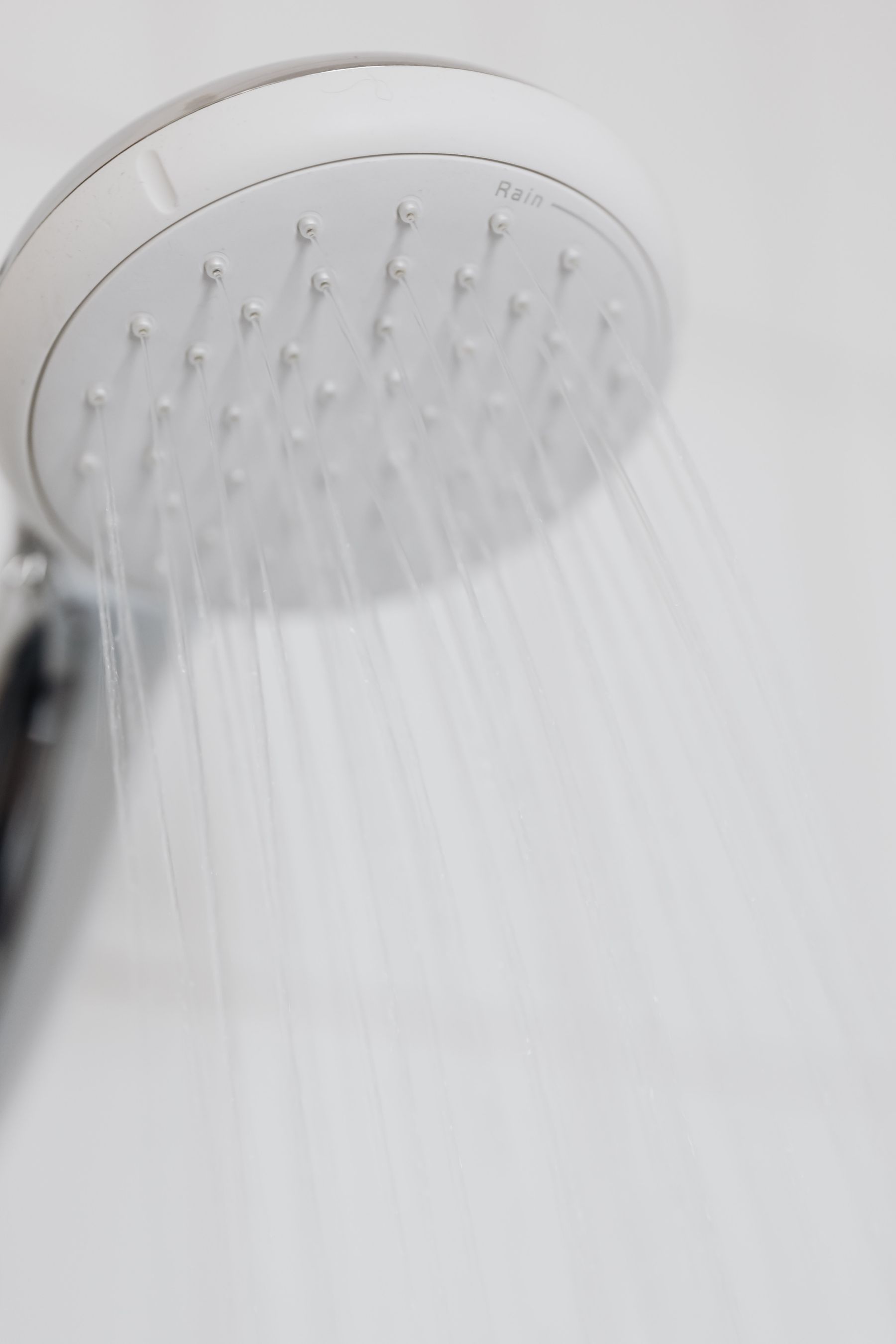
Gentle handling6 min read
A shower is easier to keep comfortable when it has an ending: washing is finished, water goes off, and the towel and moisturizer are already within reach. This guide turns that sequence into something usable in a shared bathroom, after exercise or on a cold evening, without treating a longer, hotter shower as the answer to dry-feeling skin.
Read the guide ↗
Gentle handling6 min read
When dry-feeling skin is uncomfortable under clothes, a useful first step is to look at what actually touches it: a collar edge, a cuff seam, a tight waistband or a rough outer layer. This is a comfort and clothing guide, not a way to diagnose an allergy. Work with clothes you own, compare specific features, and preserve any required protective function.
Read the guide ↗
Gentle handling6 min read
A bedroom humidifier adds a maintenance job as well as moisture. Before making it part of skin care, know which appliance you own, how it is filled and cleaned, and what you will do when the room becomes damp. This guide organizes the work around the actual machine and its instructions, rather than using visible mist as proof that the bedroom needs more of it.
Read the guide ↗
Gentle handling3 min read
Visible shine can tempt a reader to rub, scrub or wash repeatedly. AAD’s oily-skin guidance offers gentler handling, including blotting papers used without rubbing. This guide separates a cosmetic preference about shine from a decision to intensify the whole skincare routine.
Read the guide ↗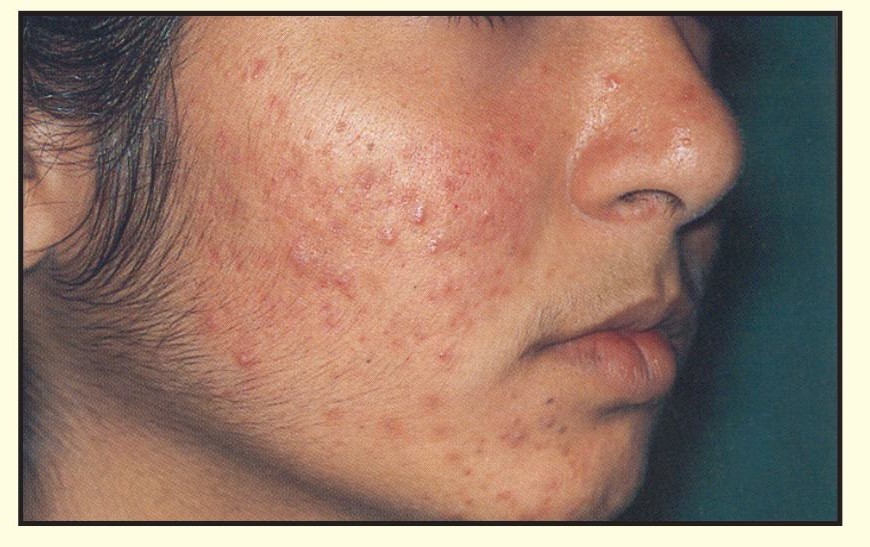
Know when to ask6 min read
The most useful action in a pimple-picking moment is a small interruption: move your hands away, step back from the mirror and leave the spot alone. A pause does not need an extractor, a new chemical or a homemade procedure. This guide explains how to make that pause easier in familiar situations and when a recurring problem deserves help beyond a bathroom routine.
Read the guide ↗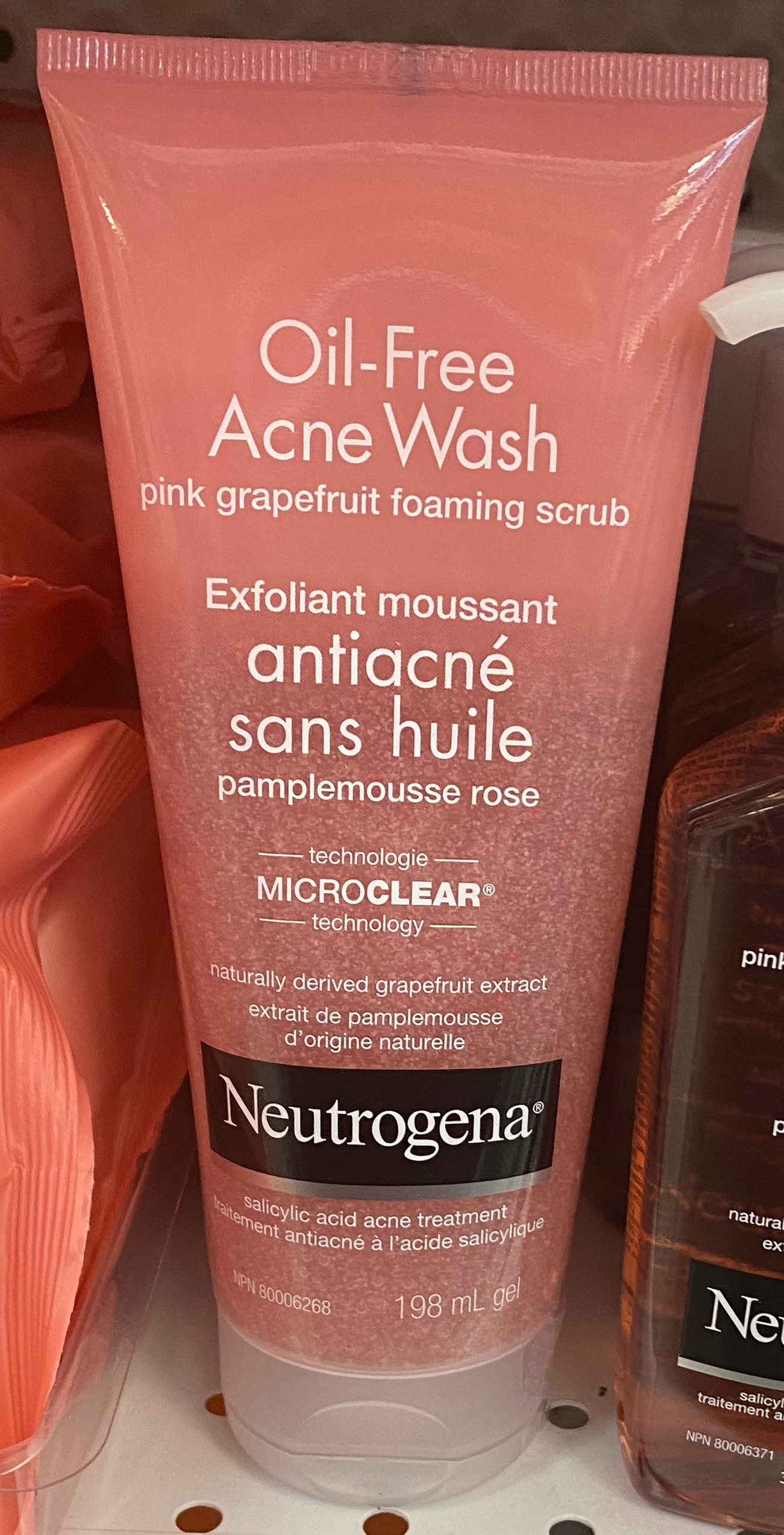
Product literacy6 min read
A package can say cleanser or wash on the front and still contain an acne medicine. Before putting it into your bathroom routine, turn it around and identify its job, active ingredient, warnings and directions. This guide explains how to read a US over-the-counter label and compare products without treating every attractive bottle as an interchangeable cleansing step.
Read the guide ↗
Sun and exposure6 min read
For an outdoor event, sunscreen belongs on the day’s timeline before the gates open, during the activity and after swimming or heavy sweating. A bottle in the bag is only a supply. This guide shows how to turn the actual label directions into usable breaks, with room for changing schedules, shade and clothing rather than a false promise that one application lasts all day.
Read the guide ↗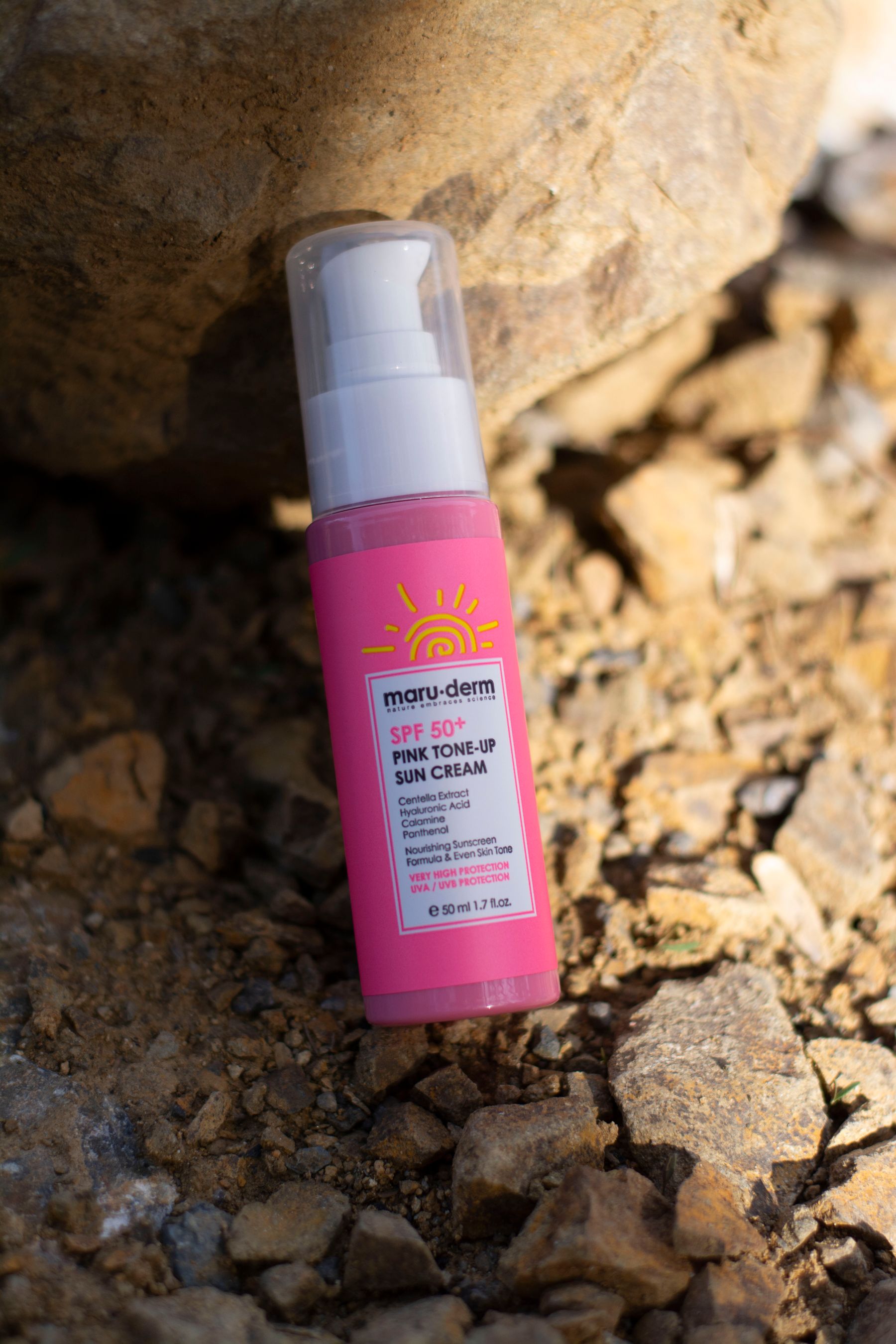
Sun and exposure6 min read
Plan where sunscreen will stay between applications before a day at the beach, a trailhead or an outdoor tournament. The simplest improvement is a reachable, shaded place in the original labeled container, with someone responsible for putting it back. This guide distinguishes a product photograph from a storage method and explains what to do when a container’s history is uncertain.
Read the guide ↗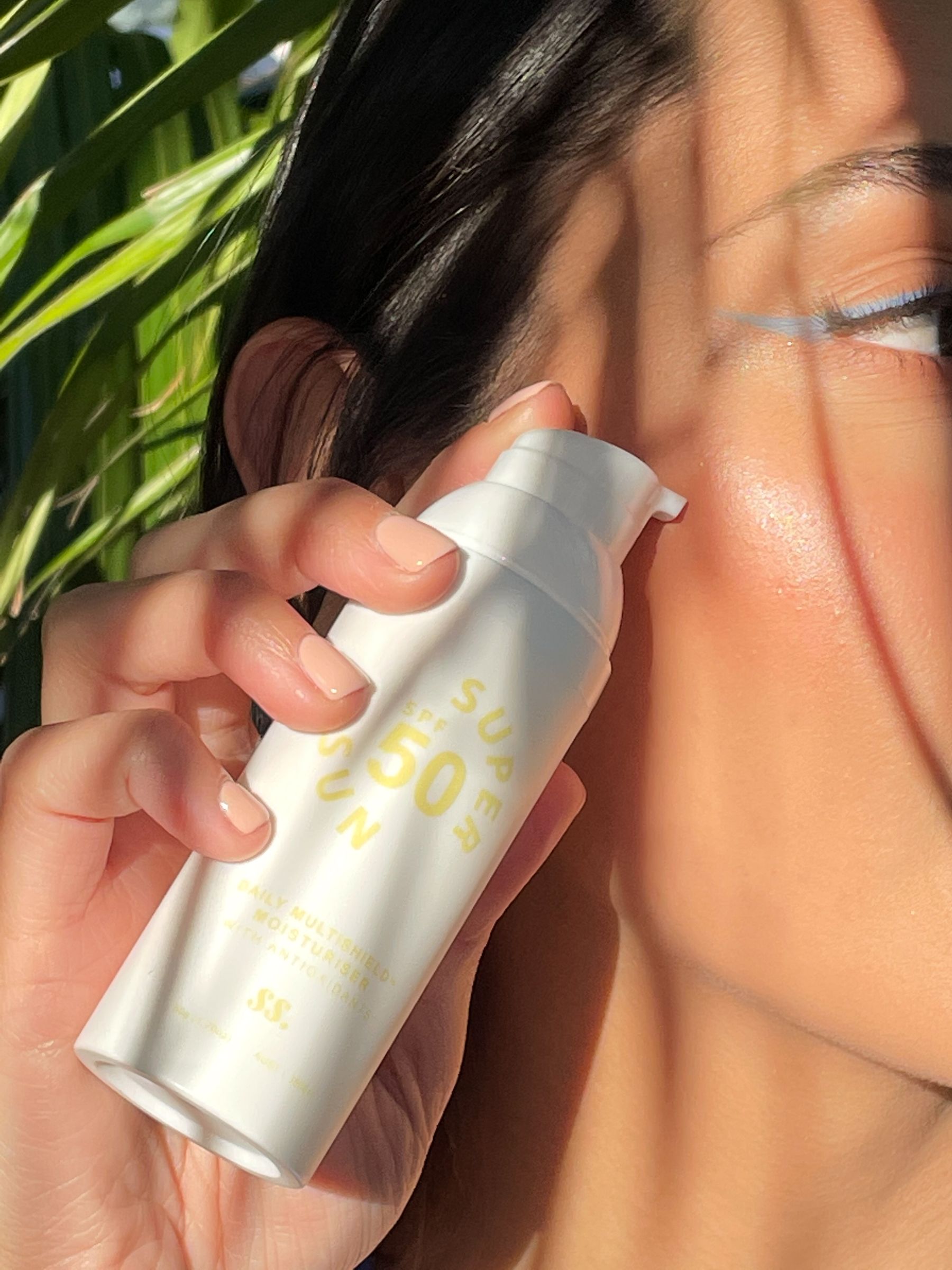
Sun and exposure5 min read
Makeup can provide the coverage and finish you like while sunscreen follows its own application instructions. Keep those two decisions visible when choosing products, preparing in the morning and planning an outdoor touch-up. This guide helps you read the actual labels, arrange a workable sequence and avoid treating a flawless-looking finish as a measurement of sun protection.
Read the guide ↗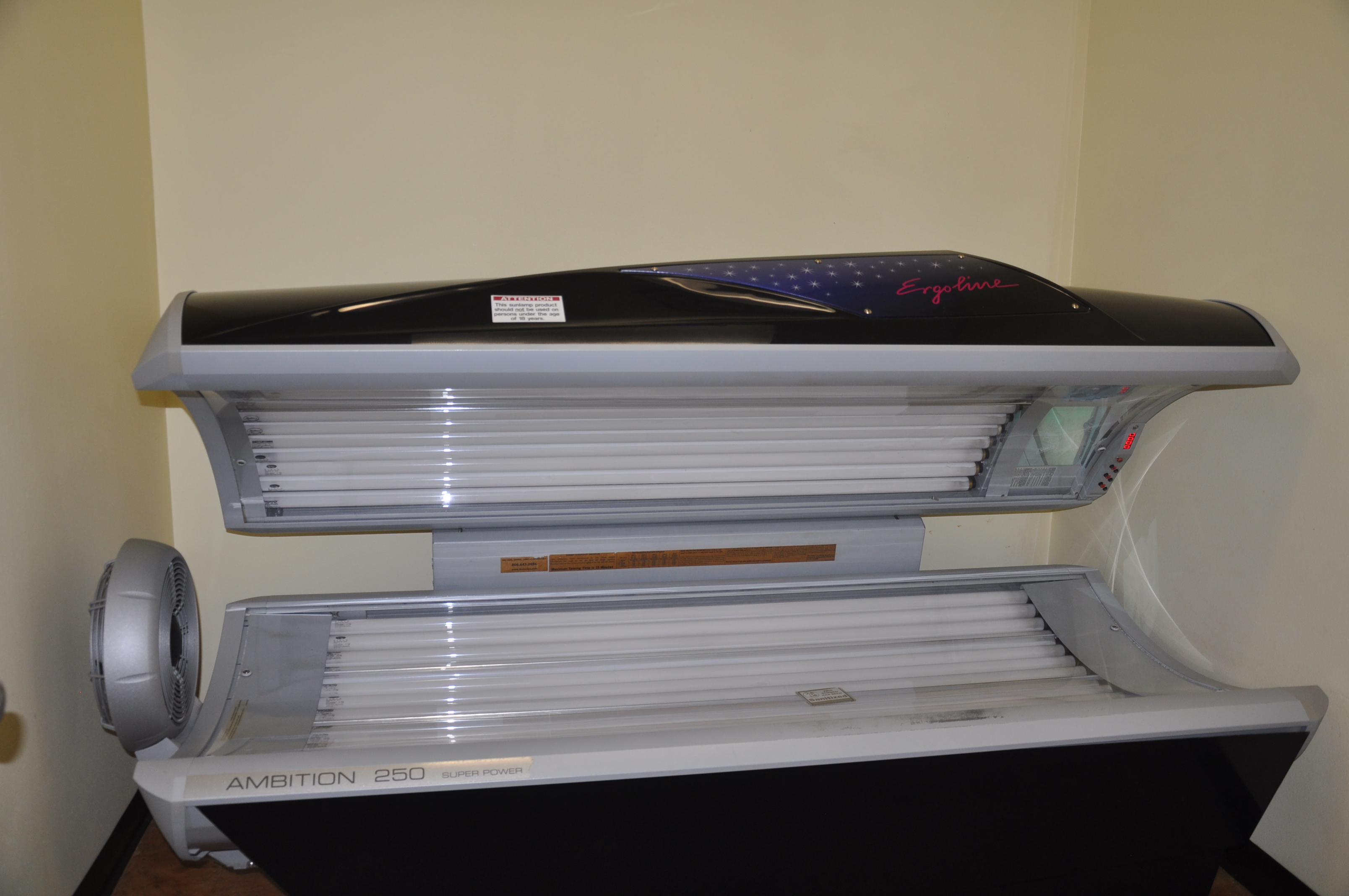
Sun and exposure5 min read
If you like a tan appearance, start by deciding whether you mean temporary cosmetic color or deliberate ultraviolet exposure. They are different choices, even when advertising uses the same words. This guide helps you identify a product’s job, choose a practical cosmetic approach and keep ordinary sun protection separate from the color you see on your skin.
Read the guide ↗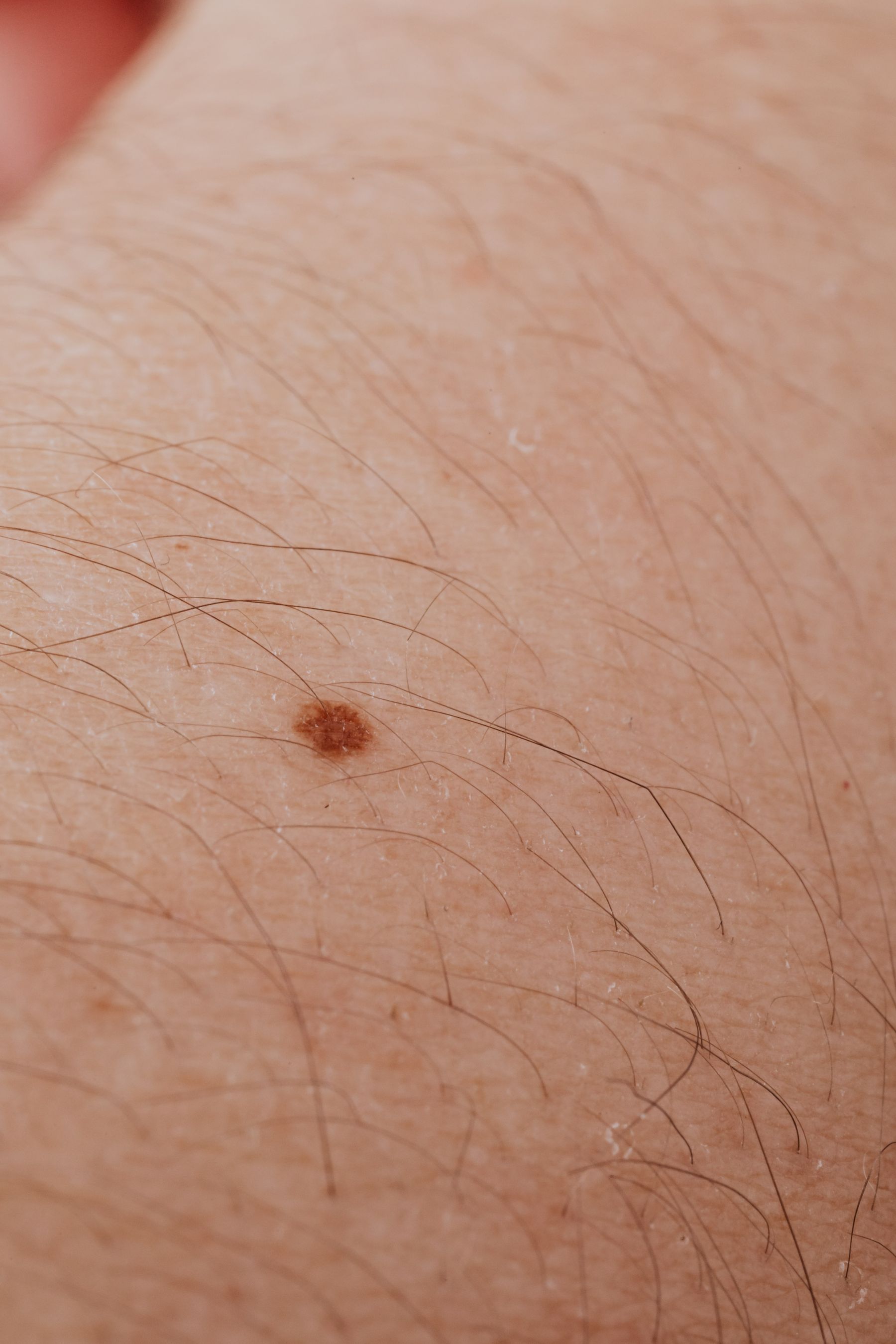
Know when to ask6 min read
A useful skin-spot note helps a dermatologist find the right place and understand what you noticed. It is not a home diagnosis or a reason to postpone an appointment while collecting more pictures. This guide explains how to look systematically, describe a change clearly and take an ordinary reference photograph without filters, repeated manipulation or a complicated tracking project.
Read the guide ↗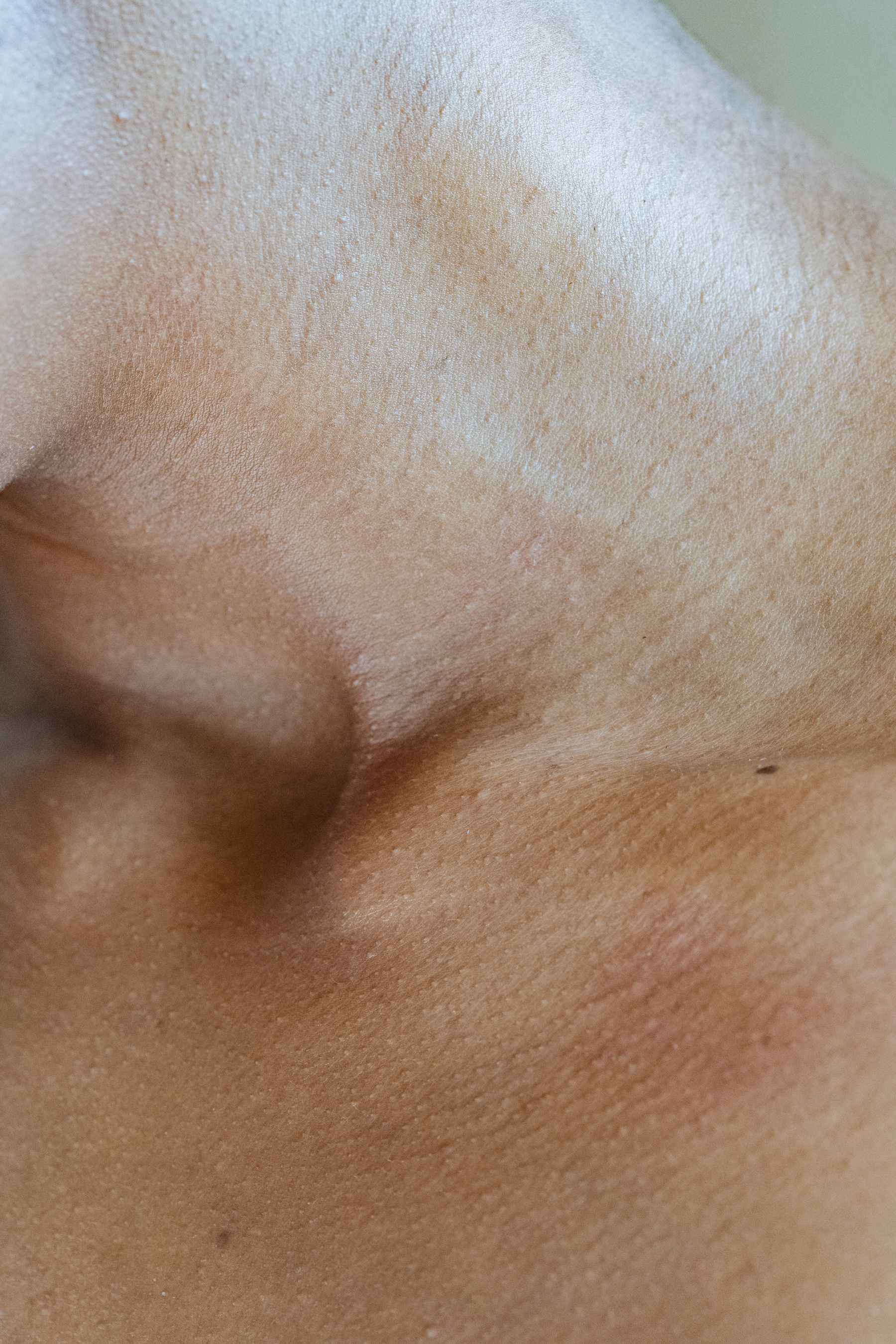
Know when to ask5 min read
A mole-removal promise belongs in a medical assessment conversation before it belongs in a shopping basket. A spot can be cosmetically inconvenient and still need proper identification. This guide helps you respond to a home-removal claim, prepare a focused appointment and understand the difference between clinical removal and a product that simply damages or obscures the visible surface.
Read the guide ↗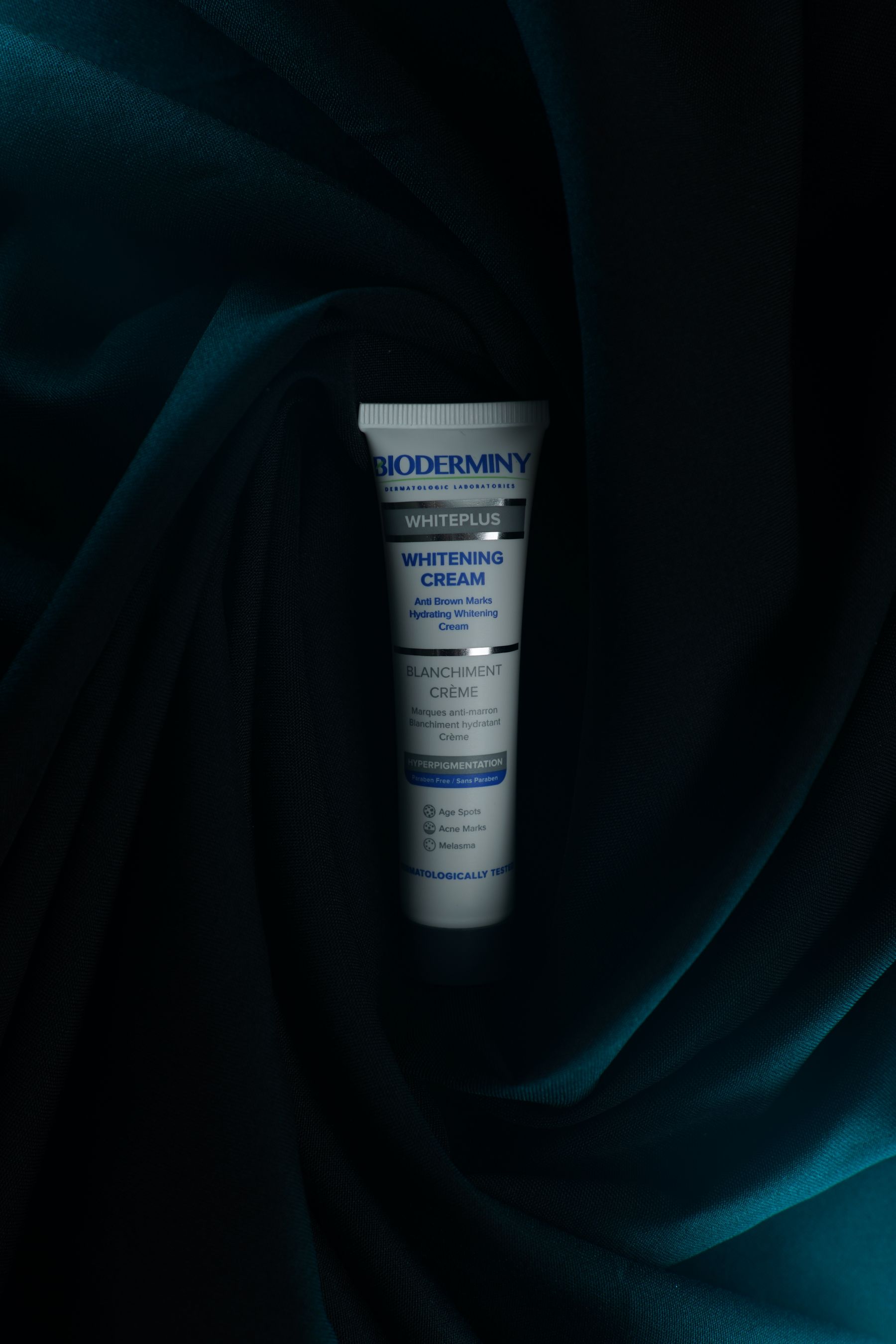
Product literacy5 min read
Before buying an unfamiliar preparation that promises to whiten, fade or lighten skin, stop at the identity of the product and the reason you want it. A shop listing cannot diagnose a dark spot, and an ingredient list cannot prove the contents of an unverified jar. This guide explains a practical pause for US shoppers, including the distinction between a cosmetic promise and supervised treatment.
Read the guide ↗
Product literacy5 min read
If a cosmetic seems connected with an unexpected reaction or has a product-quality problem, start with care, then preserve the details that let someone identify the actual item. A useful report describes what happened without pretending to prove the cause. This guide explains how to keep the package, record a clear sequence and use the current FDA consumer reporting route for a US concern.
Read the guide ↗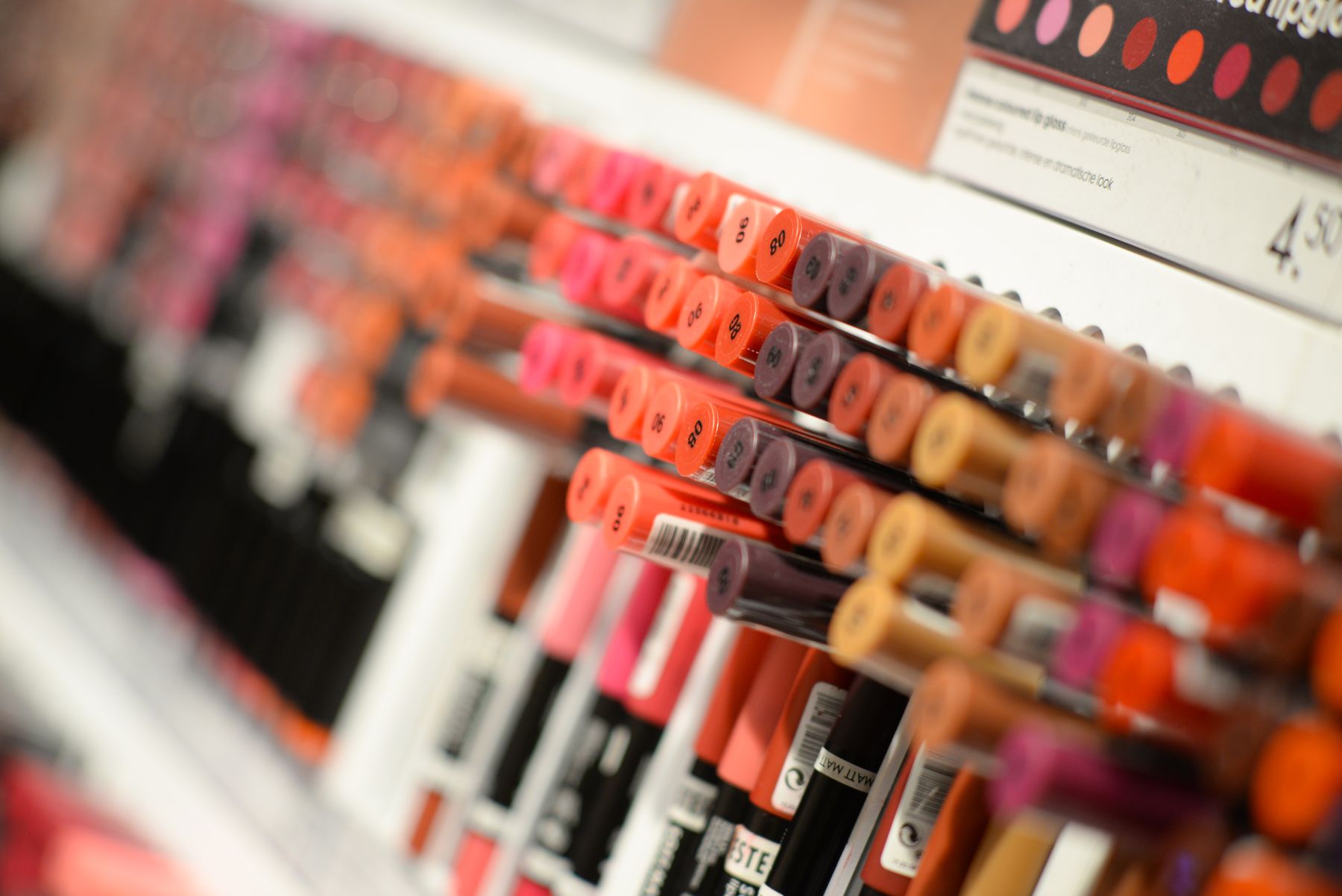
Product literacy5 min read
A shared tester can help show a color or texture, but its presence on a beauty counter does not tell you how it was handled. Decide what information you need before touching it, and ask for an option that avoids sharing a product on skin, lips or eyes. This guide gives you practical alternatives for shade selection without pretending that a fresh-looking surface is a hygiene test.
Read the guide ↗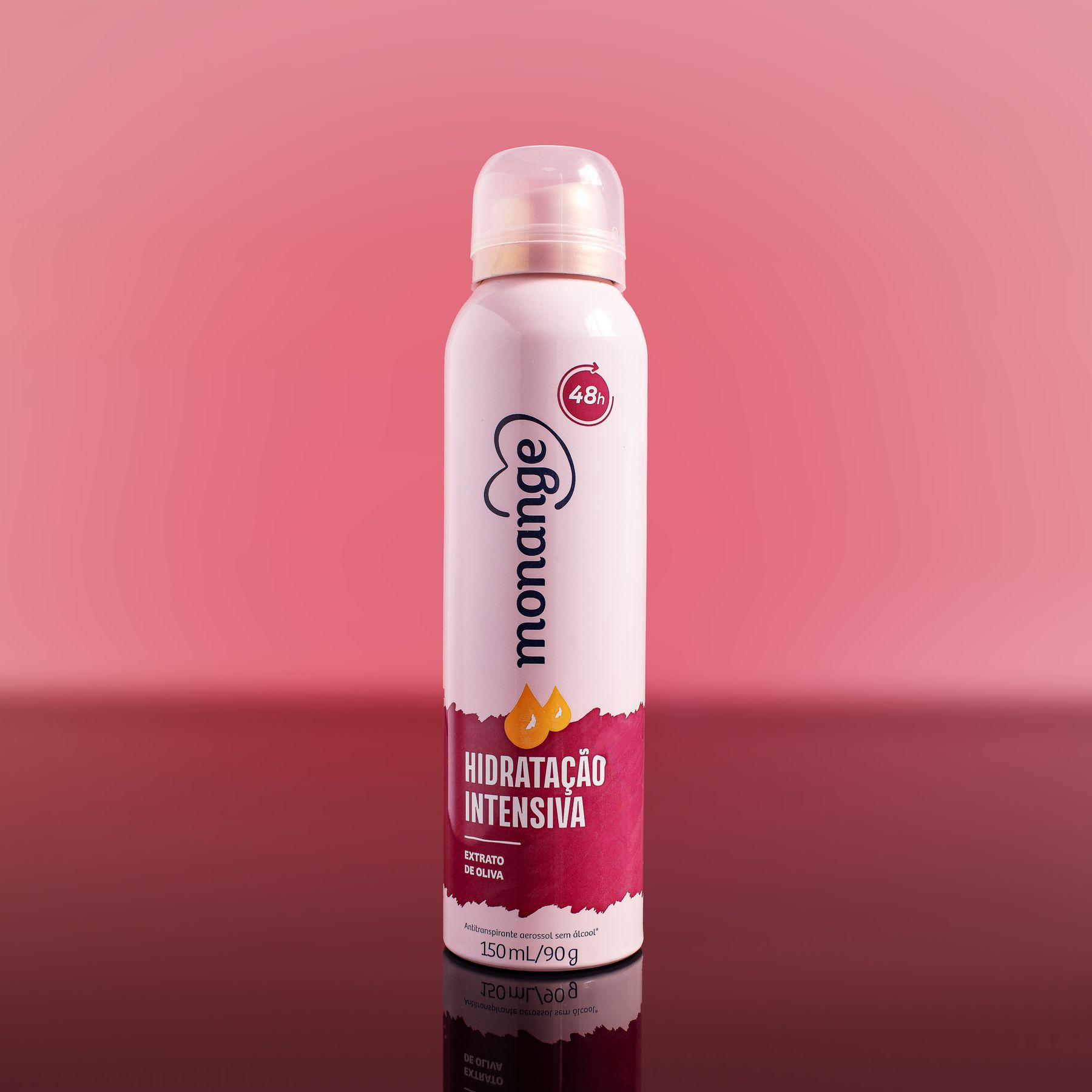
Product literacy5 min read
Choose an underarm product by the job you want it to do before choosing a scent or format. Deodorant addresses odor; antiperspirant reduces sweating. Some products combine the two. This guide shows how to read the actual package, fit its directions into an ordinary day and recognize when repeated product changes are no longer an adequate response to a sweating concern.
Read the guide ↗
Sun and exposure5 min read
Once a tattoo is healed, the skin still needs ordinary protection and attention to changes. The artwork does not replace sunscreen, conceal a reason to seek care or require a shelf of special products. This guide helps you fit a healed tattoo into clothing choices, routine care and a clear conversation with a dermatologist when something changes.
Read the guide ↗
Know when to ask6 min read
Persistent itch is a reason to understand what is happening, not a signal to keep upgrading beauty products. Begin by reducing scratching and keeping ordinary care simple, then seek assessment when the concern continues or the skin changes. This guide helps you use a small comfort step, describe the pattern and prepare a useful healthcare conversation without trying to diagnose the cause from a photograph.
Read the guide ↗