Interrupt a pimple-picking moment without adding a new procedure
The most useful action in a pimple-picking moment is a small interruption: move your hands away, step back from the mirror and leave the spot alone. A pause does not need an extractor, a new chemical or a homemade procedure. This guide explains how to make that pause easier in familiar situations and when a recurring problem deserves help beyond a bathroom routine.
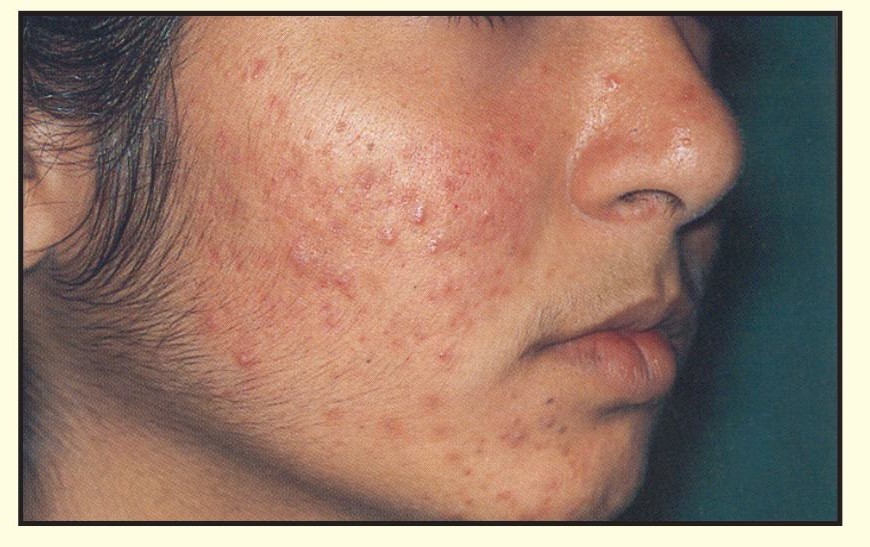
Recognize the moment before starting a procedure
Picking often begins as an ordinary inspection: you notice a raised spot, lean closer and start feeling for an edge. Stop at the first part you recognize. Put both hands down before deciding what to do next. The practical goal is to end the immediate manipulation, not to work out how to complete it more neatly.
The American Academy of Dermatology warns that squeezing or popping can worsen acne and lead to scarring, pain or infection. That is the medical reason to leave the procedure alone. You do not need to determine how deep a spot is, whether it looks ready or whether a tool could make it cleaner. Those judgments are not required to step away.
Change the mirror situation
If you are leaning over the sink, straighten up and move to your usual viewing distance. Finish the ordinary task that brought you there, such as brushing your teeth, then leave. Put a portable magnifying mirror away if it keeps turning a brief look into a prolonged search. Preserve enough light and space for normal grooming; the aim is a different action, not making your bathroom unusable.
For a shared bathroom, keep your supplies in a normal storage position rather than spread around the mirror as a continuing project. A reminder on the inside of the cupboard can be brief: finish washing and leave. It does not need a chart of blemishes or a daily close-up photograph, either of which may keep attention on the same spot.
Give the hands a different immediate job
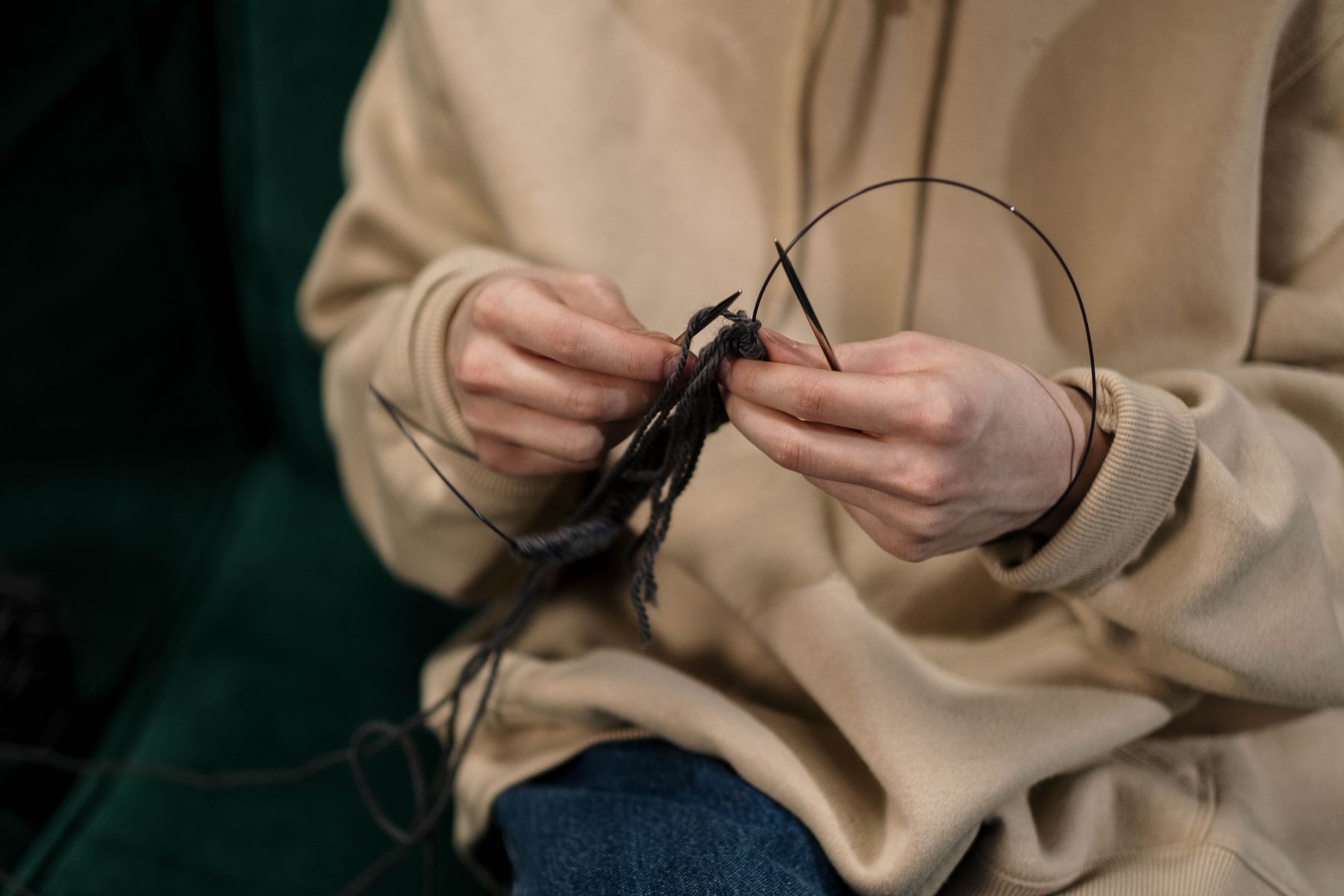
Choose something available and harmless that belongs to the next part of your day: fold the clean towel, put laundry away, hold a book or resume a familiar craft. Knitting is an example of an ordinary hand task for someone who already knits, not a prescribed treatment for picking. A complicated new hobby is unnecessary for a pause that starts now.
Keep the replacement action away from the face. Do not substitute feeling the spot through a cloth, rubbing it with a pad or repeatedly checking it with one fingertip. If your hands return automatically while reading or watching a screen, change position or activity when you notice. The observation is a cue to interrupt again, not proof that you have failed at skin care.
Leave tools out of the interruption
Do not move from fingers to tweezers, a needle, an extractor or a suction device. AAD describes extraction as a procedure dermatologists perform with appropriate equipment and technique; owning an instrument does not recreate that setting. This guide therefore contains no instructions for opening, draining or digging at a lesion.
If tools sit permanently beside your toothbrush, store them for their proper intended uses instead of leaving them as an invitation to treat a spot. Do not repurpose sharp manicure tools for skin. If someone offers to help pop it, you can decline with a concrete statement: you are leaving it alone and will ask a dermatologist about treatment if needed.
Keep normal care recognizable
Continue the ordinary skin-care or clinician-directed plan you can identify. Read product directions and avoid adding several new preparations during an impulsive moment. An acne medicine is a treatment decision with its own instructions; it should not be used as a stronger substitute for squeezing. Do not turn a pause into a prolonged scrubbing session around the same area.
If you already started picking, stop instead of trying to finish removing something. For broken or concerning skin, seek appropriate care advice rather than applying household chemicals, makeup glue or an improvised seal. A product advertised for a normal cosmetic blemish is not automatically suitable for damaged skin. Describe what happened honestly when asking a pharmacist or clinician for guidance.
Respond differently to a painful recurring spot
Pain is a reason to ask about appropriate care, not a signal that you should press harder. AAD notes that acne treatment takes time and a dermatologist can help when over-the-counter treatment is not giving results. Bring the actual products or clear photographs of their labels so that the conversation starts with what you are using.
Explain whether the same area keeps bothering you, whether you have already manipulated it and what you wanted to accomplish. A phrase such as a painful spot that keeps drawing my attention is more useful than insisting that it only needs to be emptied. Avoid diagnosing a lesion from an online photograph; similar-looking bumps may require different assessment.
Make repeated picking a help-seeking topic
If picking is difficult to stop, causes injury, consumes a lot of time or affects daily life, tell a healthcare professional about the behavior itself. You can ask for help with both the skin concern and the repeated action. A momentary diversion is not a replacement for assessment of an ongoing problem.
Choose a practical way to say it: I notice my hand returning to this area while working, or I spend longer at the mirror than I intend. You do not need to arrive with a diagnosis or a perfect explanation of the trigger. Keep the next appointment focused on the actual pattern and the care you need, rather than buying a bigger collection of tools to manage it privately.
Leaving the bathroom before the task expands
Nora sees a raised spot while brushing her teeth and begins leaning toward the mirror. She puts her hands down, finishes brushing and takes the towel to the laundry basket. Later, while reading, she notices a hand returning to the same area and changes position. If that repeated action continues or causes injury, she plans to describe it to a healthcare professional. The pause is a practical interruption, not a promise that distraction treats acne or a compulsive behavior.
Questions
Is a clean extractor safer than fingers?
Owning or cleaning a tool does not recreate professional extraction. Do not use this guide to perform a procedure. Ask a dermatologist about a concerning lesion and the appropriate treatment instead.
What if I already squeezed it once?
Stop rather than trying to complete the process. Explain any broken skin, pain or other concern when seeking appropriate advice. Avoid adding an improvised chemical or tool because the first attempt did not produce the result you wanted.
Sources and photography
Photographs are credited beside each image. Their recorded capture dates describe the images; check the current visitor or product information linked above when planning.