Keep a mole-removal claim outside the home skincare routine
A mole-removal promise belongs in a medical assessment conversation before it belongs in a shopping basket. A spot can be cosmetically inconvenient and still need proper identification. This guide helps you respond to a home-removal claim, prepare a focused appointment and understand the difference between clinical removal and a product that simply damages or obscures the visible surface.
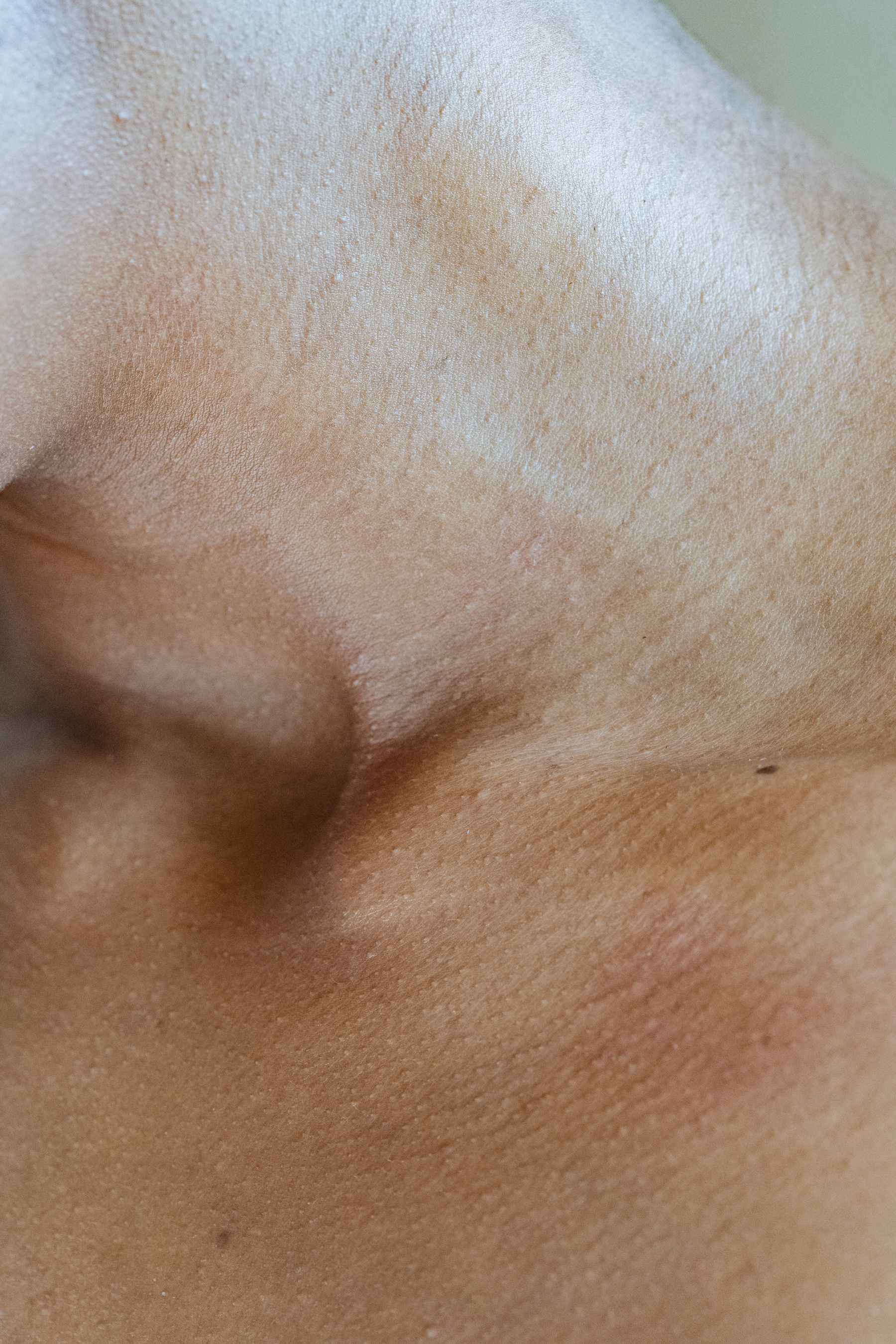
Name the reason you want the spot changed
Begin with the actual problem: it catches during shaving, rubs under a collar, is changing, or you dislike its appearance. Those are useful descriptions for a dermatologist. None requires you to decide at home that the spot is a harmless mole or to choose a removal technique before the appointment.
AAD explains that many moles need no treatment, while a dermatologist may remove one for clinical concern, repeated irritation or cosmetic reasons. Keeping your reason clear helps the conversation. If a spot is changing, itching or bleeding, say so when arranging care rather than booking only a generic beauty appointment and hoping the question will be noticed later.
Read a removal claim as a claim about tissue
A cream, liquid, pen or tool promising to remove a growth is asking you to do more than clean or moisturize skin. Do not let familiar beauty packaging make that change seem like another ordinary routine step. Before buying, pause at the promised action: what is supposed to happen to the spot, and who has actually identified it?
AAD advises never trying to remove a mole at home. FDA has warned about nonprescription mole and skin-tag removal products causing injuries, scarring and delayed diagnosis. A smooth-looking after photograph does not answer whether the original growth was assessed, whether tissue needed examination or what happened after the photograph was taken.
Do not substitute another skin-treatment category
A product intended for a wart is not automatically a product for a mole. Likewise, a tool used for grooming is not a device for removing a pigmented spot. Follow the intended uses and warnings of products you own rather than trying to repurpose them because the advertised home-removal item is unavailable.
Avoid trying a small amount on one part of the spot as a test of whether removal is safe. That would already be performing the action you are deciding about, and a local response cannot establish what the growth is. Put the proposed product aside and bring its exact name or packaging to a qualified professional if you want to discuss the claim.
Turn a removal request into a clinical question
At the appointment, explain the location and the practical reason for wanting a change. Ask what the growth appears to be and whether it needs examination or a biopsy. If removal is appropriate, ask which method is proposed, what tissue assessment will occur, what recovery involves and what outcome is realistic for that site.
AAD describes clinical approaches including surgical excision and surgical shave. Their mention here is background for the conversation, not instructions to reproduce them. Different sites and concerns may need different choices. Do not insist on a technique solely because a social-media demonstration made it look fast or because a seller described it as scar-free.
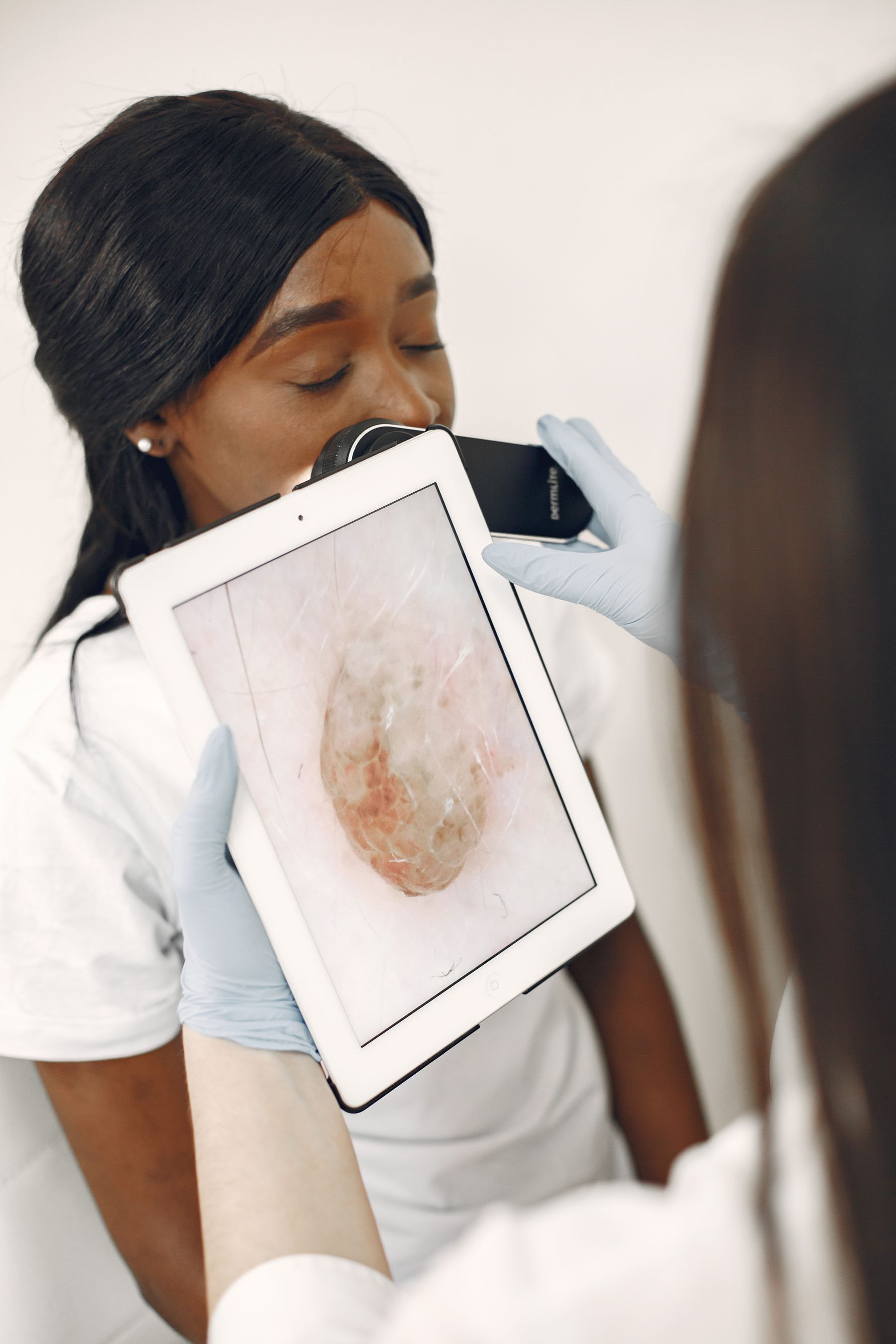
Keep the spot available for assessment
Before the appointment, avoid trying to bleach, burn, cut, freeze or scrape away the place you want assessed. If clothes rub it, explain that practical issue when you call and choose a tolerable outfit while awaiting advice. Do not cover a concerning change with repeated product trials merely to make the area look more even for a photograph.
If you already used a removal product, tell the clinician what, where and when. Bring the label and describe the response without editing the story to sound more routine. If an injury or another concerning reaction occurs, seek appropriate medical advice promptly rather than waiting to see whether the product eventually produces its advertised cosmetic result.
Ask about the result process, not only the visible finish
If tissue will be sent for examination, ask how and when you will receive the result and whom to contact if you do not hear back. Keep those instructions with the appointment information. The end of a removal procedure is not necessarily the end of the assessment, and a neat-looking surface does not communicate a laboratory result.
Ask about wound care, activities, clothing contact and any follow-up that applies to the actual procedure. Use the clinic’s instructions rather than copying aftercare from an unrelated video. If you do not understand a step, clarify before leaving. A manageable plan for the days afterward is part of choosing a procedure, particularly if the area lies under a work uniform or sports equipment.
Handle recurrence and future advertising with the same distinction
AAD advises making another appointment promptly if a removed mole grows back. Tell the dermatologist where the earlier procedure occurred and bring any records you have. Do not treat regrowth as a reason to buy a stronger version of a home-removal preparation or repeat an old procedure yourself.
When a new advertisement appears, return to the same decision: a spot must be assessed, while a product’s promise is only marketing evidence. You can save the listing to ask about it, but a collection of positive reviews does not replace examination. The useful next step is a clear question to the person qualified to assess the skin, with the appearance preference and medical concern both stated honestly.
A collar problem becomes a focused appointment
Tess has a raised spot that catches under a work collar. A listing promises removal with a liquid, but Tess pauses and books an assessment, explaining the location and repeated contact. At the visit, Tess asks what the growth is, whether removal is appropriate and how the proposed procedure would affect work clothing and follow-up. If tissue testing is needed, Tess asks about receiving the result. The collar problem is real; it does not justify selecting an at-home tissue-removal method.
Questions
Does a natural or homeopathic label make removal routine skin care?
No. The intended tissue-removal action is still the issue. Bring the exact product claim to a dermatologist rather than assuming a marketing term establishes its suitability.
Can I just ask for cosmetic removal if I dislike the spot?
You can discuss an appearance preference openly. Let the dermatologist first assess the actual growth, then explain appropriate options, possible marks or scars, aftercare and any tissue examination needed.
Sources and photography
Photographs are credited beside each image. Their recorded capture dates describe the images; check the current visitor or product information linked above when planning.