Treat a shared cosmetic tester as a hygiene question
A shared tester can help show a color or texture, but its presence on a beauty counter does not tell you how it was handled. Decide what information you need before touching it, and ask for an option that avoids sharing a product on skin, lips or eyes. This guide gives you practical alternatives for shade selection without pretending that a fresh-looking surface is a hygiene test.
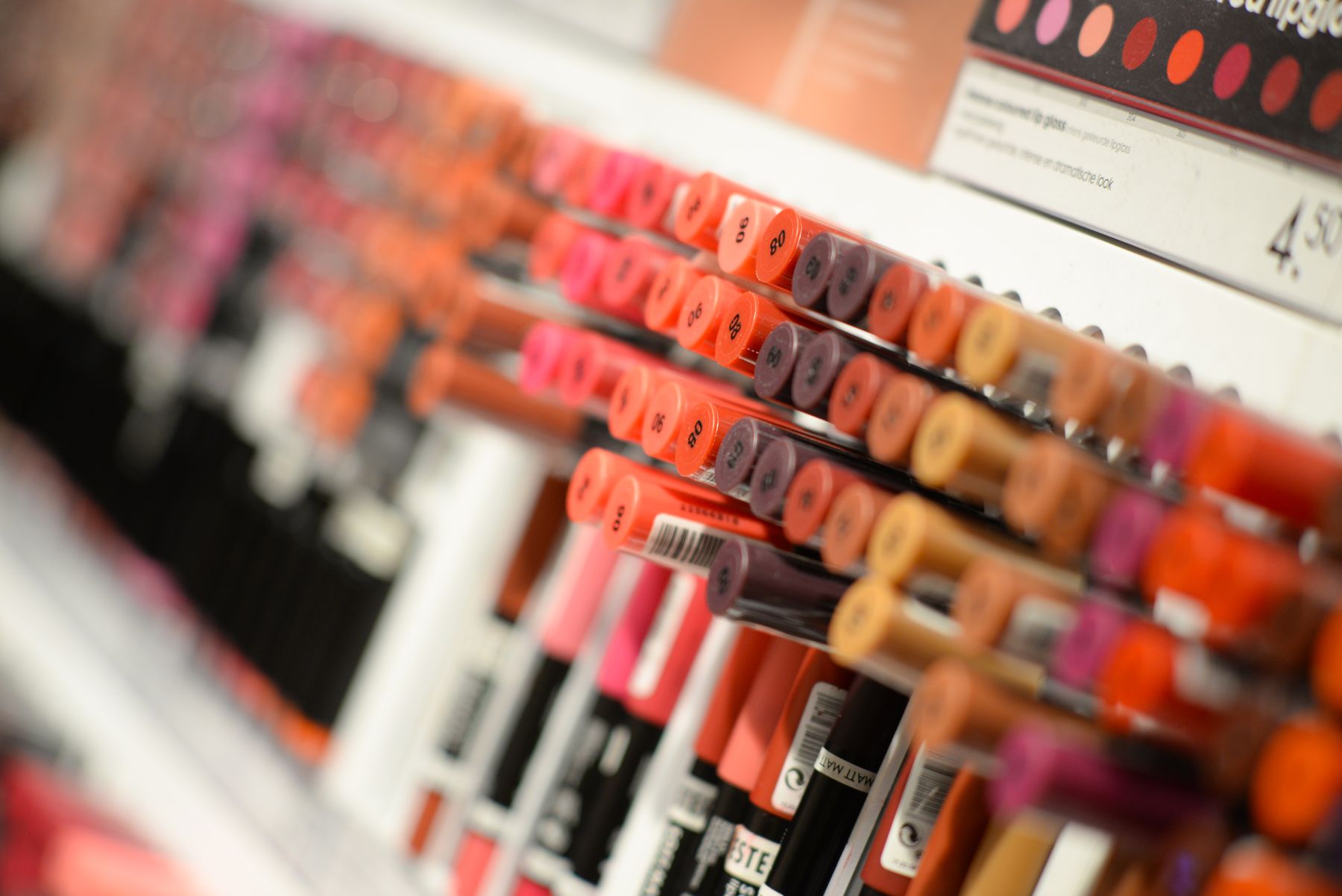
Separate the shopping question from direct application
Name what you are trying to learn: the shade in daylight, the texture of a foundation, the appearance of a lipstick finish or the dimensions of a compact. Not every question requires putting a shared preparation on your face. A visible display, an accurate shade name and the manufacturer’s product information can answer some of them before you ask about samples.
For a color choice, compare the actual shade codes rather than relying only on a shop photograph taken under unfamiliar lighting. If you need to know how a product wears on your skin, ask whether an individually packaged sample exists and how it is intended to be used. The immediate goal is useful information, not completing a full makeup application in the aisle.
Ask for the product’s sampling arrangement
Ask the staff what sampling options are available and whether they can provide an unopened individual sample. Be specific about the item and shade you want. A sealed personal sample, if offered, lets you retain its identity and directions; it is different from a scoop taken from a communal container with an unknown history.
Do not assume a new disposable applicator answers every question about a shared product. It identifies one fresh tool, but does not establish everything that previously contacted the preparation. You can politely decline direct application and continue comparing the labeled shades. A shop’s busy atmosphere does not require you to accept a method you cannot understand or are uncomfortable with.
Follow the basic no-sharing principle
FDA advises not sharing makeup because sharing can also share germs. Treat a communal tester as a sharing question, not as your own product simply because you are holding it temporarily. Keep shared lipstick, mascara and other eye or lip preparations away from direct personal application. Follow each product’s intended area and warnings.
The same reasoning applies when shopping with a friend. Buying one personal product to pass between people does not resolve the sharing issue. You can compare how separately owned shades look or examine the package together without applying one another’s makeup. Helping someone choose a color need not involve sharing the cosmetic itself.
Do not treat appearance as a microbial test
FDA explains that cosmetics can become contaminated through several routes, including consumer handling. You cannot establish a shared preparation’s microbial status from a clean-looking rim or the absence of visible debris. A used palette can look messy without giving you a laboratory result, while a neatly wiped case does not establish that its contents were protected.
Avoid inventing a counter-cleaning procedure with an alcohol wipe, tissue or surface spray. A cosmetic formulation and a tool’s material may need specific handling, and wiping an exterior is not proof that the whole preparation is suitable to share. If the available sample cannot answer your question in a way you accept, move on to another buying method.
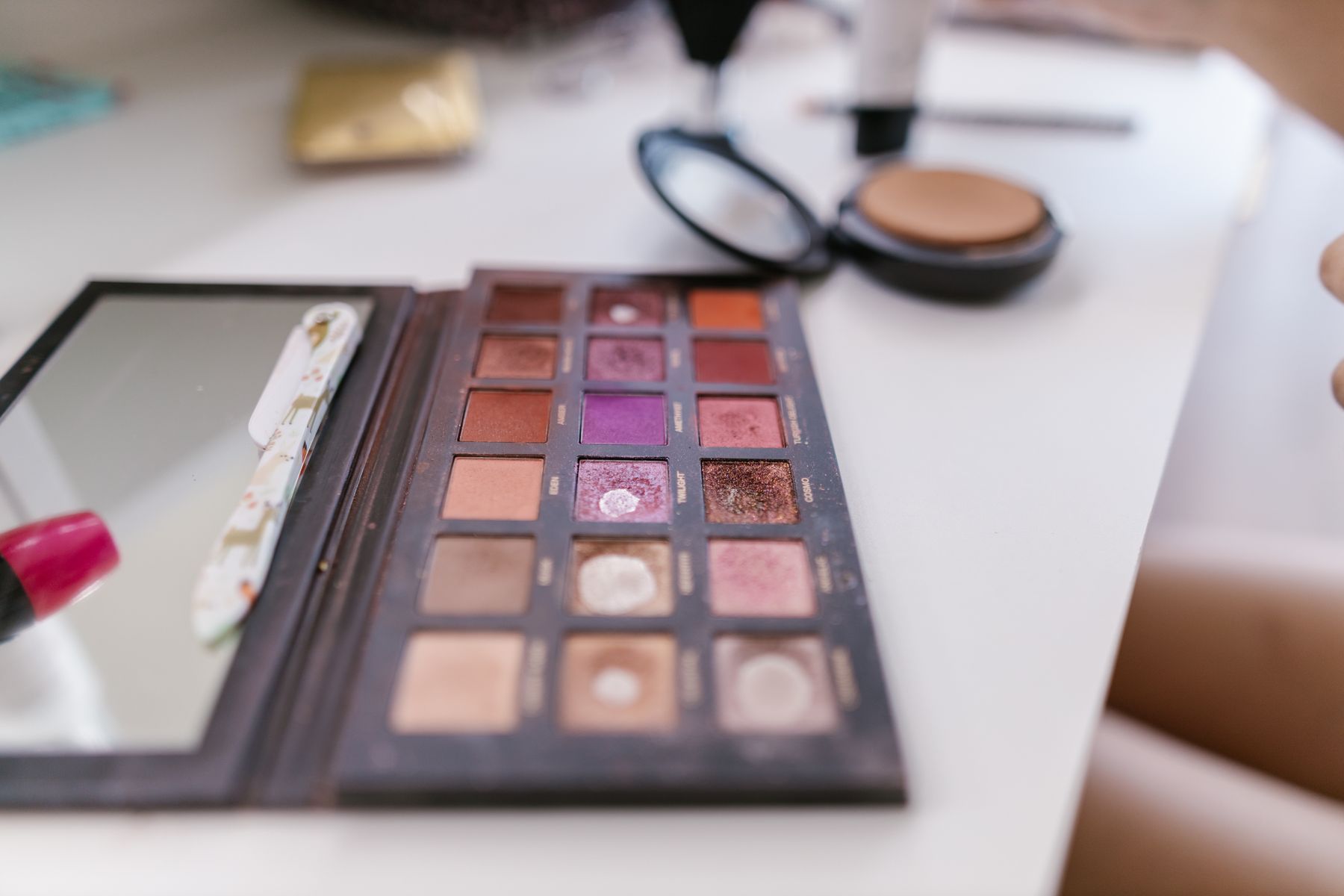
Keep swatching distinct from an allergy assessment
A shop swatch shows appearance under particular conditions. It is not proof that the product will never irritate you or cause a reaction. Read the actual ingredients and warnings on any personal product or individual sample you obtain. FDA cautions that hypoallergenic is not a guarantee that a cosmetic cannot cause an allergic reaction.
If you have a history of product reactions or a particular skin condition, ask a qualified professional about choosing and introducing products. Do not ask a sales demonstration to substitute for that advice. Likewise, do not apply a tester to an already irritated area to see whether its soothing claim is true. A sales visit is a poor setting for an improvised medical experiment.
Make uncertainty manageable without buying blindly
If no appropriate sample is available, compare labeled shades, request the exact product information and check the retailer’s return policy before purchase. Read what the policy actually permits, including whether opened cosmetics can be returned in your location. A vague promise that you can probably bring it back is not the same as a clear policy.
For an expensive purchase, delaying can be a sensible option. Save the full name, shade and size, then consider whether the product solves the need you identified. Do not let a helpful sales interaction turn into a requirement to buy or use a tester. A clear decision can be to return another day with better information or choose a product you already know.
Bring a new personal product into ordinary care carefully
Once you obtain a personal item, keep it labeled and follow its directions. Use clean hands and your own appropriate tools, close the container after use and store it as instructed. Do not transfer the communal-counter habits into your own bag by leaving products open or sharing applicators between people.
If an unexpected reaction or quality problem occurs, stop use, contact a healthcare provider and use FDA’s current reporting instructions as appropriate. Keep the package and purchase details. Describe what happened without assuming the shopping swatch proved safety or that the brand as a whole is responsible for every possible cause. The useful information is the exact product and the actual sequence.
A lipstick choice without direct tester use
Mina wants to compare two lipstick shades. She reads their shade names, checks the color display and asks about unopened individual samples. When none are available, she declines direct tester application and reads the store’s return policy before deciding whether to buy her own item. She does not treat a disposable wand or a wiped lipstick surface as proof of the shared product’s history. The shopping question remains shade selection, not an improvised hygiene or allergy test.
Questions
Does a fresh disposable wand make a shared product equivalent to my own?
No. It tells you about that tool, but not the entire product’s handling history. FDA’s general advice is not to share makeup. Ask about an unopened personal sample or choose another comparison method.
Does a successful swatch prove that I will tolerate the product?
No. A color demonstration is not an allergy assessment. Read the product directions and warnings, and ask a qualified professional if previous reactions or a skin condition affect the choice.
Sources and photography
Photographs are credited beside each image. Their recorded capture dates describe the images; check the current visitor or product information linked above when planning.