Preserve the product details when reporting a cosmetic problem
If a cosmetic seems connected with an unexpected reaction or has a product-quality problem, start with care, then preserve the details that let someone identify the actual item. A useful report describes what happened without pretending to prove the cause. This guide explains how to keep the package, record a clear sequence and use the current FDA consumer reporting route for a US concern.

Take care of the person before assembling the report
FDA says to stop using a cosmetic after a reaction or problem and contact your healthcare provider, then report the problem to FDA. Do not delay needed medical attention while searching for a receipt or improving a photograph. If urgent care is needed, that comes before filling in a form or contacting a seller for a refund.
Do not reapply the product to make the connection more convincing. Tell the professional what you used and what happened, including any other products on the same area. The report can describe a suspected association without a deliberate repeat exposure. Keep the distinction between a clinical assessment and an account of events clear from the beginning.
Preserve the exact product identity
Keep the original container and any outer carton, leaflet or insert. Note the full product name, maker or distributor, form and size. A broad description such as face cream or pink bottle may identify dozens of items. If the brand has several similar versions, include the additional wording that distinguishes yours.
Find any lot or batch code, barcode and expiry or period-after-opening information. They may be printed on the base, crimped end, carton flap or another surface rather than the main label. If you cannot find a code, say not found instead of inventing one from a barcode or guessing which number it should be. A truthful incomplete record is more useful than a confident incorrect identifier.
Photograph the package so another person can identify it
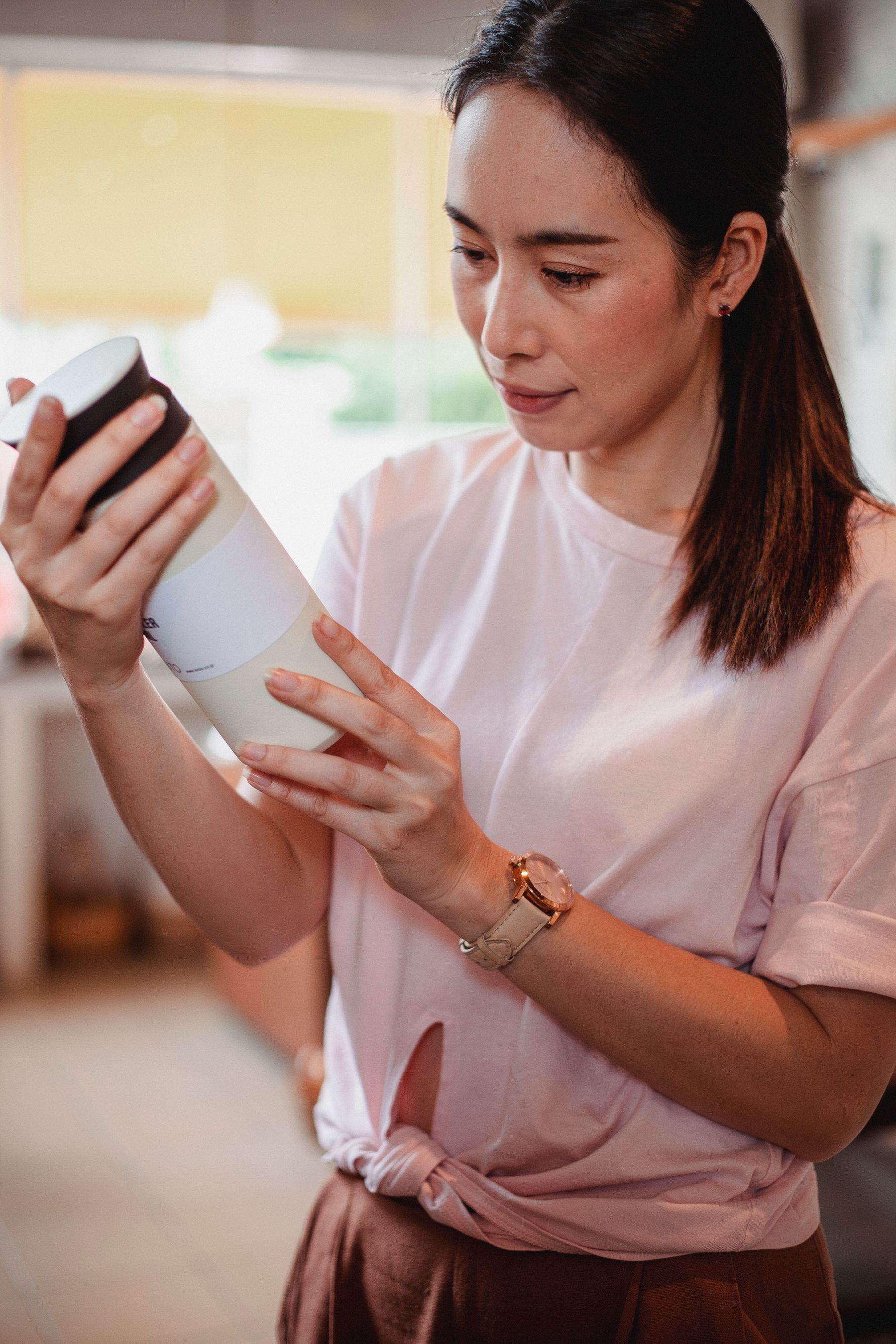
Take a whole-container view, readable front and back labels, and a close-up of a small code if present. Use ordinary light and check focus before putting the item away. Avoid a beauty filter or a crop that removes the maker and size while preserving only the attractive front. The purpose is identification, not a promotional photograph.
Keep the photographs together with a short file name or date. If a label wraps around a bottle, several overlapping photographs may be clearer than one distorted panorama. Do not open or spread a suspect product just to make a more dramatic image. A quality concern such as visible foreign material can be described and documented without deliberately handling it more than necessary.
Record a sequence rather than a verdict
Write when the product was obtained, first opened if known, and used before the concern. Describe the area of application and what you noticed afterward. Use actual times where you know them and approximate language where you do not. Separate the observation from the conclusion: a rash appeared after use is an account; this ingredient caused my rash is a medical claim you may not be able to establish.
Include whether the concern involved an unexpected physical reaction or a change in the product itself, such as an unusual smell, color or foreign material. FDA accepts both kinds of information. Mention medical care received and relevant advice, if any. Do not leave out other products or events because they make the story less simple; that context may help professional assessment.
Keep purchase evidence and the remaining product identifiable
Save the receipt, order confirmation, retailer name and listing URL if available. A screenshot can preserve an exact version of the listing, but does not replace the information on the container you received. Note if a sealed product arrived damaged or if the package differed from what was ordered, without speculating about who caused the difference.
Follow appropriate advice about storing, returning or disposing of the remaining item. Keep it away from normal household use so nobody mistakes it for an available cream. Do not send a physical sample to an address found in an informal message; wait for instructions from the organization handling the concern. A seller’s refund process and a safety report are separate tasks.
Use the current consumer route on FDA’s official page
Open FDA’s How to Report a Cosmetic Product Related Complaint page and choose the consumer and health-professional reporting instructions, not the industry mandatory-reporting workflow. The page includes electronic voluntary reporting and paper alternatives. Because reporting systems are being integrated into AEMS, start from the current official page rather than following an old saved form link blindly.
Have the identity, event description and relevant images ready, then answer what the form actually requests. Read privacy information and submit through the official channel. A consumer does not need to use a company’s database-transmission process or meet a manufacturer’s mandatory-reporting procedure. If you cannot use the electronic form, the same official page explains the current alternatives.
Keep follow-up information without treating silence as a result
Save the submission confirmation and any reference number provided. If new relevant medical information becomes available, use the instructions associated with the report for follow-up. Keep a copy of what you submitted so you do not need to reconstruct the event again when answering a question.
A report is not a diagnosis, a compensation decision or proof that every container from a brand has a defect. Continue the care plan agreed with your healthcare provider. If you also contact the company or retailer, give the same accurate identity and sequence, and distinguish a request for a refund from the health concern. Consistency comes from a clear record, not from making the allegation stronger each time you retell it.
One container, one clear event sequence
After an unexpected reaction, Morgan stops using the cosmetic and contacts a healthcare provider. Once care is addressed, Morgan keeps the bottle and carton, photographs the full labels and base code, saves the online order and writes when the product was used and what followed. Morgan uses FDA’s current consumer instructions and records the confirmation. The account includes the other products used that evening; it does not claim that a particular ingredient has been proven responsible.
Questions
Must I prove which ingredient caused the problem before reporting?
No. Describe the concern and sequence accurately, including uncertainty and other products involved. A suspected association is different from an established medical cause.
Should I use the industry serious-event reporting form?
Use the consumer instructions on FDA’s current official page. Industry mandatory reporting has separate responsibilities and processes. Do not copy a manufacturer’s workflow just because its form looks more formal.
Sources and photography
Photographs are credited beside each image. Their recorded capture dates describe the images; check the current visitor or product information linked above when planning.