Pause before buying an unverified skin-lightening preparation
Before buying an unfamiliar preparation that promises to whiten, fade or lighten skin, stop at the identity of the product and the reason you want it. A shop listing cannot diagnose a dark spot, and an ingredient list cannot prove the contents of an unverified jar. This guide explains a practical pause for US shoppers, including the distinction between a cosmetic promise and supervised treatment.
Start with the concern, not a demand for lighter skin
Describe the actual question: a new dark mark, uneven-looking patches after a previous problem, or a general preference about appearance. If a specific spot has changed or has symptoms, bring it to a clinician rather than assuming it should be faded. An unfamiliar skin change is not automatically a shopping problem.
You are not required to change your natural skin tone. If you do want advice about pigmentation, explain which area concerns you and what you hope to change. That gives a professional a useful starting point. A social-media comparison under different lighting cannot establish that your skin needs a stronger product or that somebody else’s routine applies to you.
Recognize the range of marketing words
FDA notes that lightening products may be sold using words such as bleaching, fading, evening, brightening or whitening. Read the full intended-use claim rather than deciding from one word alone. A package promising to treat dark spots deserves attention to its complete identity, ingredients and instructions, not only to whether the front looks familiar.
Separate the seller’s description from information actually printed on the product. A listing may combine photographs of several versions or translate the name loosely. If you cannot match the package, size and maker to one specific item, leave the purchase unresolved. Do not allow a sale timer or a persuasive before-and-after image to replace the missing identification.
Check the ingredients and the limits of that check
FDA advises against purchasing OTC skin-lightening products containing hydroquinone or mercury. It lists mercury-related label terms including mercurous chloride, calomel, mercuric, mercurio and Hg. Read the actual ingredient list; do not rely on the seller saying that an unfamiliar ingredient sounds natural or has been used for many years.
Some illegal products may omit these ingredients from their labels, FDA warns. That means a clean-looking ingredient list is not a home laboratory certificate. A handmade label, an unmarked jar or information you cannot understand leaves a serious identification gap. For a US purchase, seek understandable complete labeling and a verifiable source; if the gap remains, do not buy merely to test it yourself.
Separate a package claim from verified contents
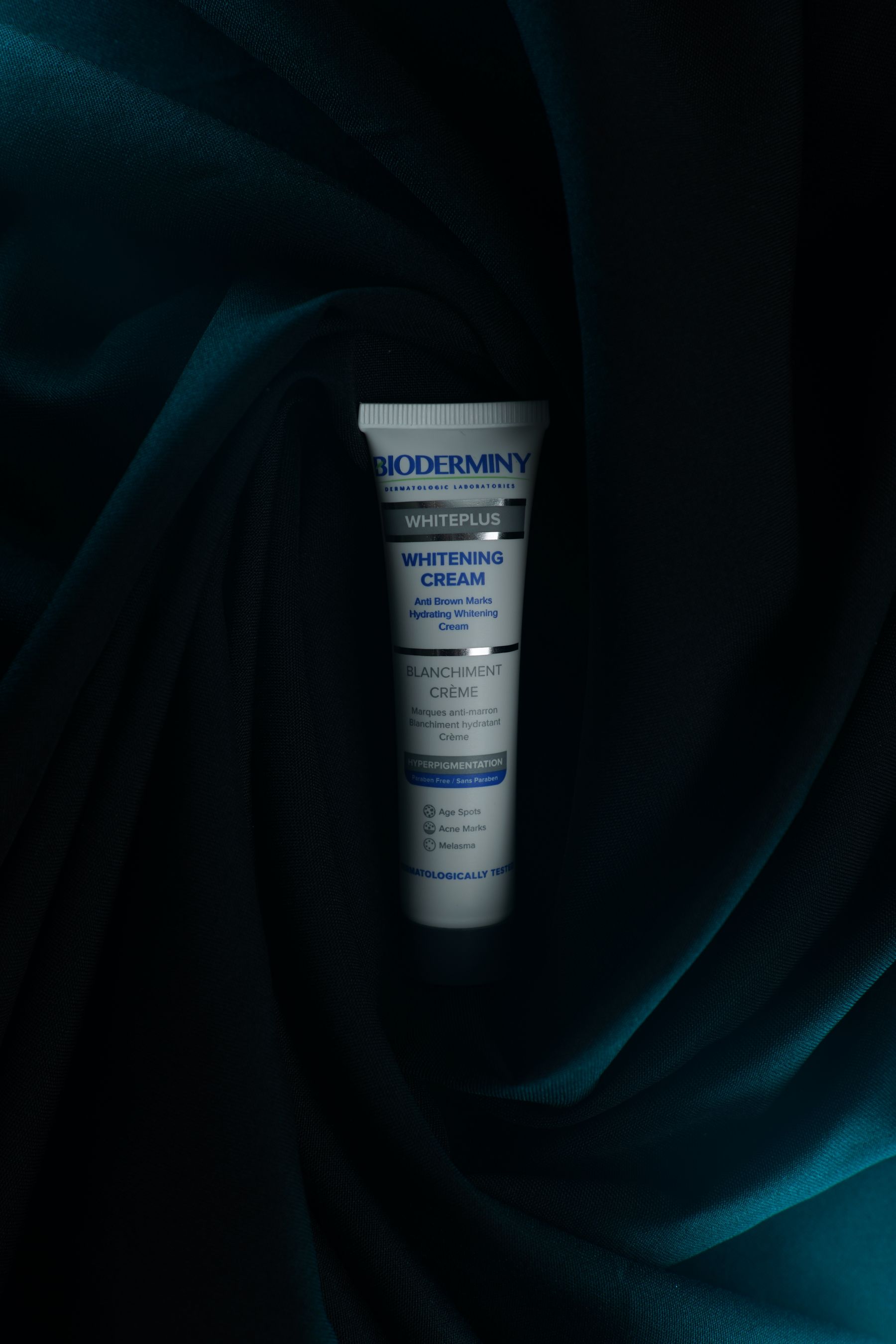
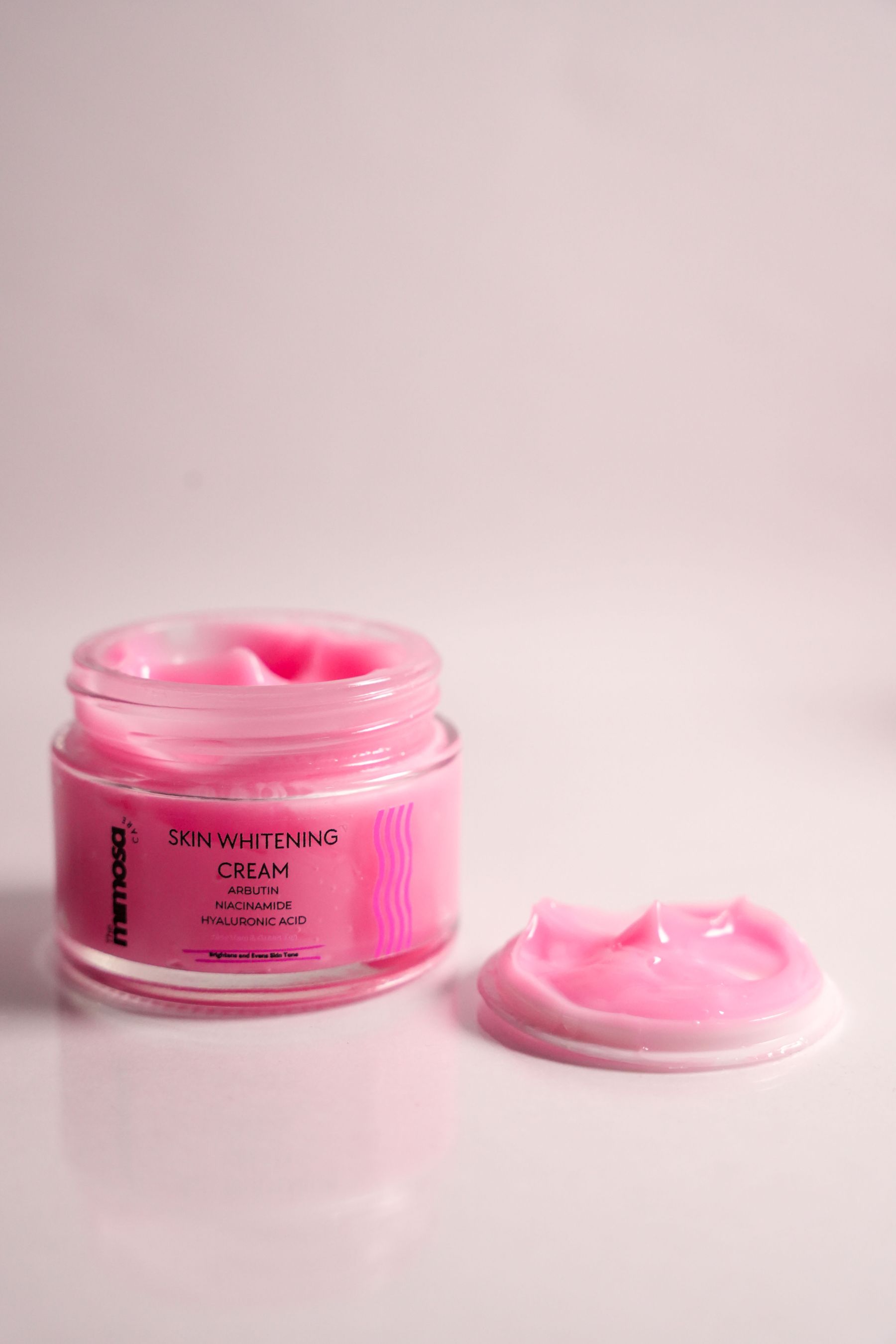
The photos in this guide show real containers making whitening claims. They do not establish the contents, contamination or legal status of either pictured item. Apply that distinction to shopping as well: a photograph proves what a visible label says, while a safety claim needs appropriate evidence. Packaging color and a professional-looking font cannot answer a chemical question.
Do not attempt a taste, smell or skin trial to identify an unknown preparation. A small amount used without immediate discomfort cannot prove the absence of an undeclared ingredient. Keep any existing suspect container closed and identifiable while asking a healthcare professional or the appropriate authority how to handle it. Avoid transferring it into a jar that makes its origin harder to trace.
Distinguish supervised treatment from an OTC shortcut
FDA explains that hydroquinone skin products can be prescribed by a healthcare provider, while hydroquinone-containing skin lighteners are not approved for OTC sale. A professional treatment plan for a diagnosed condition is different from buying an unverified preparation under a general beauty claim. Do not copy another person’s prescription or treat a prescription ingredient as a concentration ladder to climb.
If you are offered a treatment, ask what condition it addresses, where it belongs in your routine, how long it should be used, what follow-up is needed and what response should prompt contact. Bring all other products used on the same area. A clear plan is more useful than choosing the highest-strength option or combining several fading products at once.
Use current official information for a specific concern
FDA publishes information about skin products found to contain mercury or hydroquinone. If you are checking a particular item, compare the exact product identity and any listed lot or package information. Do not assume a similarly colored jar is the same product, or that absence from a tested-product list proves an untested preparation is safe.
Keep the retailer name and listing if you need to ask about the purchase. If the seller refuses to provide the actual label or manufacturer information, you can decline without completing a personal investigation. Your goal is a reasonable buying decision. You do not have to establish the entire supply chain before deciding that an unidentified preparation is unsuitable for your use.
If a problem has already happened, preserve identity and seek advice
For a concerning reaction, contact a healthcare provider and follow appropriate reporting guidance. Keep the product name, ingredient information, purchase details and when it was used, without applying more to reproduce the reaction. FDA’s reporting process is for communicating a concern, not for obtaining an immediate medical diagnosis.
If mercury exposure is suspected, use official guidance about handling and disposal; do not pour an unknown preparation down a drain or pass it to somebody else. Tell the professional why you suspect it and bring the label information. Continue from the actual facts of the exposure rather than assuming every unwanted skin response has the same cause.
A listing that never becomes a skin trial
Ari sees a fading cream advertised in a social feed. The listing uses several package photographs and provides no clear ingredient label for the jar that would be shipped. Ari asks for the exact maker and full label; the seller responds only with customer pictures. Ari declines the purchase and asks a dermatologist about the specific dark patch instead. The decision does not require proving contamination: missing identity was enough to stop the transaction.
Questions
Does no mercury on the label prove there is none?
No. FDA warns that some illegal products do not declare problematic ingredients. Label reading is necessary, but it cannot establish the contents of an unverified preparation.
Is prescription treatment the same as a stronger shop cream?
No. A prescription belongs to a specific supervised plan for the person and condition assessed. Ask the prescriber about use and follow-up; do not borrow another person’s medicine or select a product by strength alone.
Sources and photography
Photographs are credited beside each image. Their recorded capture dates describe the images; check the current visitor or product information linked above when planning.