Recognize an acne medicine even when the package says cleanser
A package can say cleanser or wash on the front and still contain an acne medicine. Before putting it into your bathroom routine, turn it around and identify its job, active ingredient, warnings and directions. This guide explains how to read a US over-the-counter label and compare products without treating every attractive bottle as an interchangeable cleansing step.
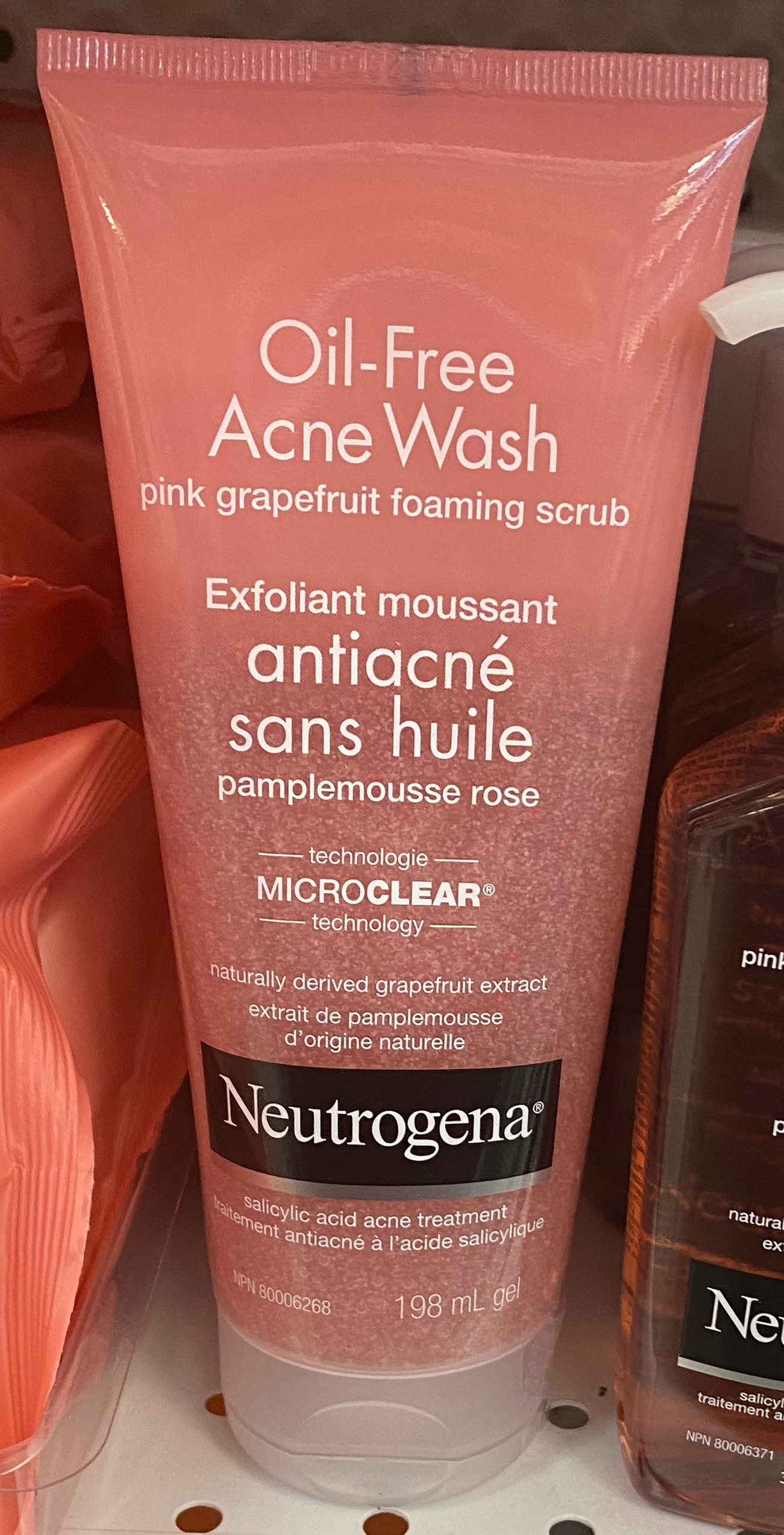
Read the product job before the brand story
Start with what the product claims to do. FDA explains that products intended to cleanse or beautify are generally cosmetics, while acne treatments are drugs; some products serve both roles. The everyday phrase skin care does not settle the category. A cleanser with a therapeutic acne claim deserves more attention than its scent, color or position on the shelf.
The front can help you identify the exact item, but it is only the start. Match its full name, form and size to the bottle you intend to use. A familiar brand may offer a plain cleanser, a medicated wash, a scrub and a leave-on preparation with similar visual packaging. Do not transfer directions from one of them to another by memory.
Find Drug Facts on a US OTC product
FDA’s standard Drug Facts panel separates active ingredients, purpose, uses, warnings, directions, inactive ingredients and other information. Read the whole panel in good light before using the product. If the bottle is too small to read comfortably, keep the carton or leaflet and use the manufacturer’s information for that exact package. Do not rely on a cropped retailer image that omits half the warnings.
This guide describes the US format. Imported or historical packs can be useful examples of product identity, but their layout and regulatory markings may differ. If the item in your hand lacks information you can understand, ask the pharmacist before using it. Guessing at the directions from a foreign-language front label is not a useful shortcut.
Write down ingredient and strength together
Read the active ingredient name and the stated amount as one piece of information. Then read the purpose and uses beside it. FDA notes that similar product names may have different active ingredients and labels can change. The safe practical comparison therefore begins with the actual packages you are considering today, not a remembered advertisement.
For example, if two packages list the same active ingredient, notice that fact before assuming they add two completely different functions to your routine. If the ingredients or strengths differ, do not rank them simply by the bigger number. A pharmacist can help you work out whether a product belongs with the treatments you already use. Bring the names instead of asking only for the strongest acne wash.
Separate a wash from a leave-on medicine
The container form does not decide how long a product stays on skin. A tube can contain a rinse-off wash or a leave-on gel; both may mention acne. Find the actual application and removal instructions. Do not leave a wash on longer to make it behave like another treatment, and do not rinse away a prescribed product based on what a different cleanser told you to do.
The photographs illustrate this distinction: the wash advertises an acne-treatment role, while the historical gel tube names benzoyl peroxide. Neither image supplies current instructions for the bottle in your bathroom. Use the directions on your own product and ask about anything unclear, including where, how much, how often and how long it should be used.
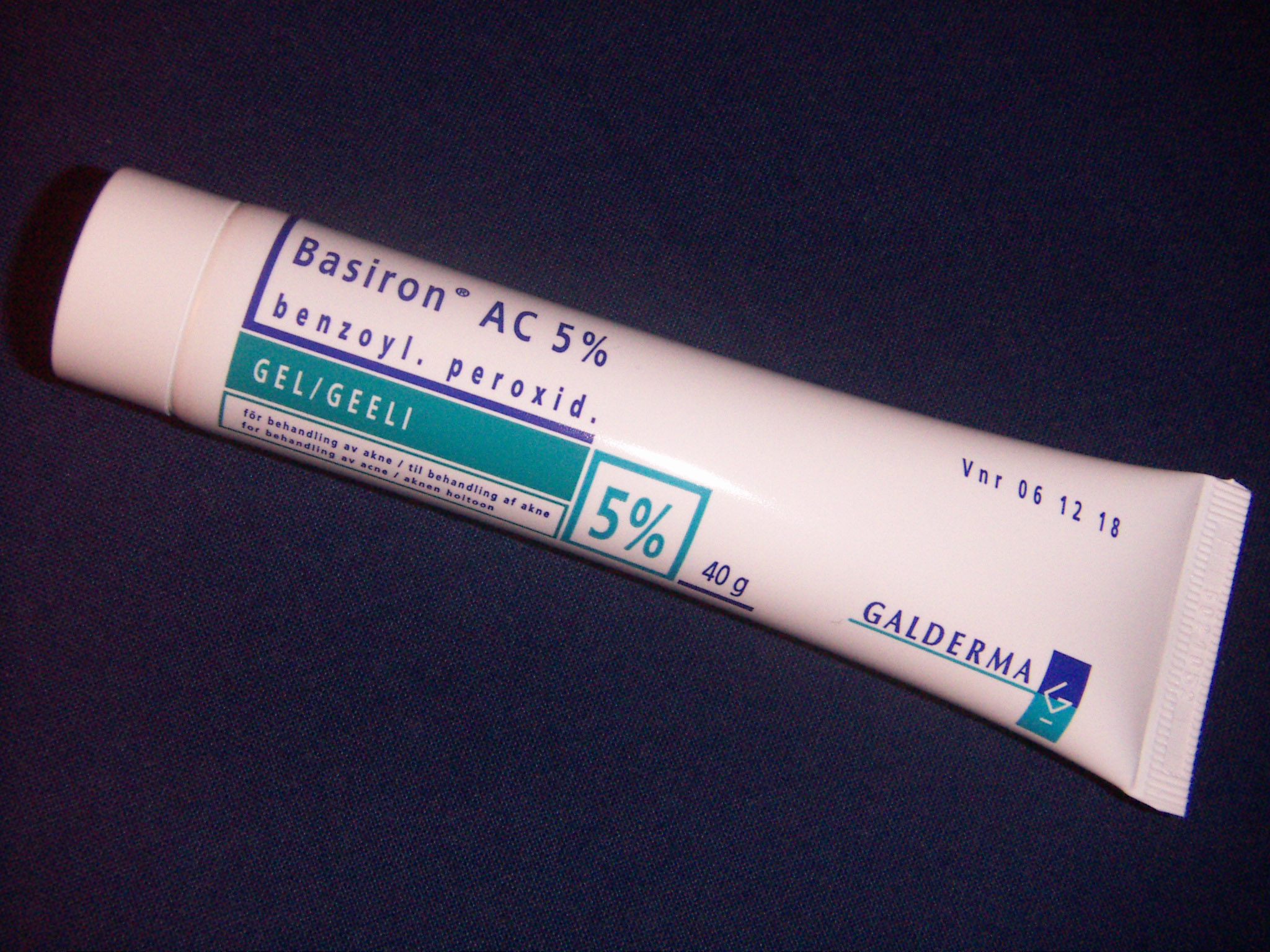
Read warnings before arranging the routine
Warnings describe when a medicine should not be used, when advice is needed and when to stop or contact a professional. Do not postpone them until after an uncomfortable application. Read any age limits, relevant interactions and instructions for avoiding particular areas on the actual label. A general article cannot supply one universal warning list for every acne product.
If a label directs you to ask a doctor or pharmacist and that condition applies to you, bring the product to that conversation. Mention prescription treatments and other active skin products as well as the new wash. A practical question is specific: can this exact product be used with the treatment I already have, and what should I change if the label instructions conflict with my routine?
Keep identity and instructions attached after purchase
Leave a medicated wash in its labeled container. If an outer carton contains the only complete directions, keep it somewhere dry and accessible. Avoid decanting the medicine into an unmarked dispenser that everyone assumes is ordinary soap. In a shared bathroom, tell others which item is a treatment and store it as its instructions require, out of children’s sight and reach.
When repurchasing, read the new label again rather than simply refilling the old bottle. If the manufacturer changes the package, compare the full name and relevant directions. An old photograph can help identify what you used before, but should not override a current package. Dispose of unusable or expired medicine according to appropriate local or pharmacist guidance.
Make uncertainty a small, answerable question
If you remain unsure, bring the package and list the part you cannot interpret. It could be whether the product is medicated, how to fit it with another treatment or whether it should replace your existing cleanser. Asking one concrete question before use is more useful than making several simultaneous changes and later trying to identify which one caused a problem.
Do not use a harsh feeling, strong scent or a large foam as evidence that the medicine is working. If a product causes a concerning response, follow its stop-use and medical-help instructions. Keep its identity available for that discussion. Label reading is an ongoing part of using an OTC medicine, not a one-time shopping exercise that ends when the carton is opened.
Two similar bottles, one different decision
Ben is about to replace a nearly empty plain cleanser with a similarly colored acne wash. Before opening it, he reads the Drug Facts panel and notices the active ingredient and specific directions. He also uses a prescribed acne treatment, so he asks the pharmacist about that exact combination. He keeps the new bottle labeled and waits for the answer instead of treating it as ordinary soap or inventing a contact time from an online video.
Questions
Does a wash containing an acne drug count only as a cleanser?
No. Its cleansing format does not remove its treatment role. Identify both functions, read the Drug Facts panel on a US OTC product and follow the actual directions.
Can a front-label photograph tell me how to use it?
Usually it cannot provide the complete directions and warnings. Obtain the full current label for your own package. The historical and Canadian product photographs here identify real objects, but are not substitutes for US instructions or individual advice.
Sources and photography
Photographs are credited beside each image. Their recorded capture dates describe the images; check the current visitor or product information linked above when planning.