Keep makeup coverage and sunscreen directions as separate decisions
Makeup can provide the coverage and finish you like while sunscreen follows its own application instructions. Keep those two decisions visible when choosing products, preparing in the morning and planning an outdoor touch-up. This guide helps you read the actual labels, arrange a workable sequence and avoid treating a flawless-looking finish as a measurement of sun protection.
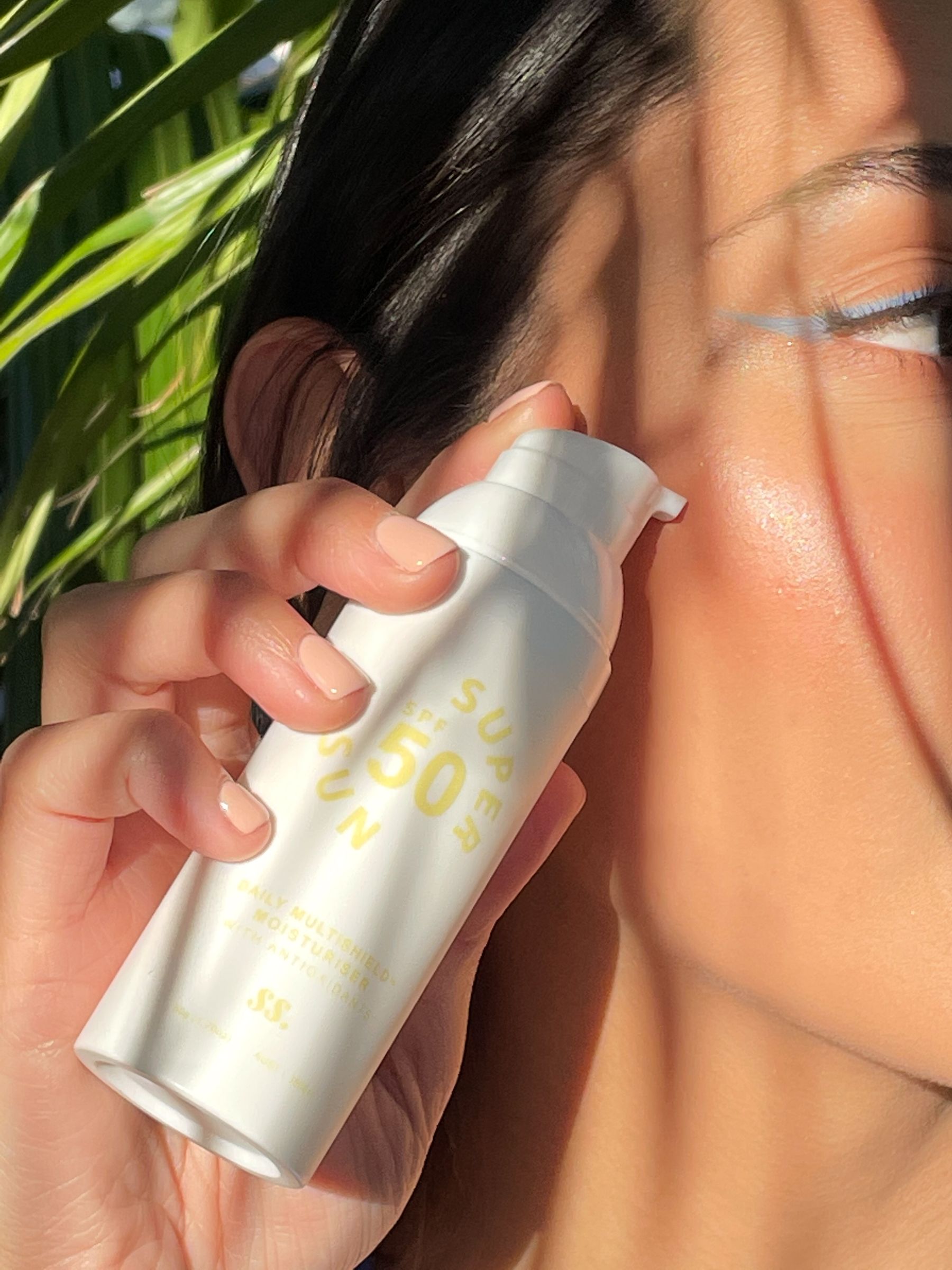
Choose the protection task before the cosmetic finish
Begin with the day: a short commute, a long outdoor event or a session involving swimming or heavy sweating. Then identify the sunscreen you intend to use and read its directions. Decide about foundation shade, concealer and powder afterward, so their appearance does not quietly determine how much sunscreen you apply or whether you reapply it.
AAD recommends broad-spectrum, water-resistant sunscreen with SPF30 or higher. Those are separate label features. An attractive shade match or the word glow does not answer them. If your usual makeup has SPF, read its complete instructions as a sun-protection product rather than assuming every normal cosmetic application supplies the tested protection.
Read a combined product as both roles
FDA explains that products intended for makeup and sun protection are both cosmetics and drugs in the US. Find the Drug Facts panel as well as the cosmetic description. Read what the product is intended to do, how to apply it, warnings and any water-resistance wording. The presence of pigment does not remove those directions.
Keep the package until you can find that information easily. A tiny compact can be hard to read, while an outer carton may have the fuller label. When comparing two tinted products, compare the actual sun-protection wording and directions before choosing on shade alone. A retailer’s front-label thumbnail is a useful identifier but an incomplete instruction sheet.
Arrange the morning sequence with enough time
AAD’s skin-care guidance places sunscreen after other routine skin-care products and beneath makeup. Follow the specific directions for your own products, including timing before outdoor exposure. Put the sunscreen where you can use it as a complete step, rather than dabbing a little on while holding an open foundation bottle in the other hand.
Once that step is complete, apply makeup with the tools and technique you normally use. If your prescribed treatment has a particular sequence, ask the prescriber how to fit the sunscreen and makeup around it. Do not override treatment instructions based on a general beauty layering chart. The useful routine is the one whose actual requirements you can explain and repeat.
Keep each product’s label claim attached to that product
Do not calculate a new protection rating for a mixture of sunscreen, foundation and powder. Use the labeled sunscreen according to its own directions. If you combine products in your hand or decant them into a homemade blend, you no longer have the original straightforward application described by each package. A pleasant texture does not validate a protection calculation.
Likewise, do not choose a foundation shade by deliberately underapplying the sunscreen beneath it. If the combination is visibly difficult to wear, consider a different cosmetic finish or ask a dermatologist about a suitable sunscreen option. That is a product-fit problem to solve, not a reason to reinterpret the directions until the current products seem compatible.
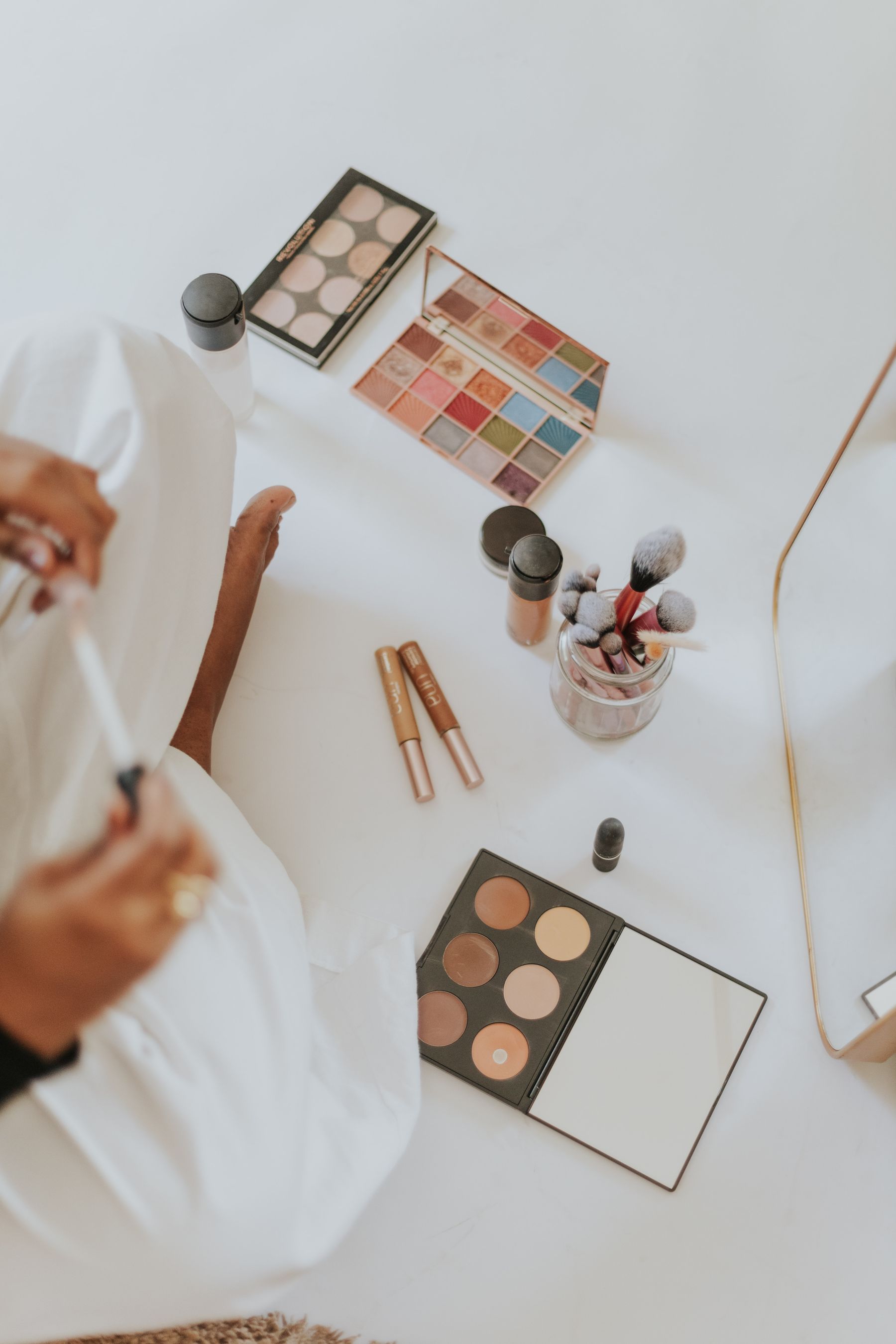
Distinguish cosmetic coverage from physical coverage
Foundation can visually even out the appearance of skin without physically covering all areas that will be exposed. Consider the ears, neck, hairline and other areas that makeup may not reach. Plan sunscreen and clothing around actual exposed skin, not just the oval of the face visible in a close-up mirror.
A hat, sunglasses and covering clothes can be practical parts of the same day. Choose them before the outing so they fit the event and the transport. If the main concern is a makeup look for photographs, take those photographs without treating a favorable result as proof of UV protection. Cameras show appearance under particular light; they cannot confirm sunscreen coverage or remaining SPF.
Plan the outdoor touch-up before makeup becomes an obstacle
AAD notes that sunscreen needs reapplication approximately every two hours while outdoors, including when moisturizers or cosmetics have SPF. Read the exact instructions and think through where the product will be available. A long outdoor day deserves a feasible break with a mirror, personal supplies and enough time to follow those directions.
If preserving the makeup makes correct reapplication impractical, simplify the makeup for that outing or change the event plan. Do not declare a powder or mist sufficient simply because it is easier to put over foundation; read whether and how that product is intended to be used. Swimming, sweating or towel drying also requires attention to the relevant label directions, not only the cosmetic appearance afterward.
Troubleshoot a difficult combination with a smaller decision
If the products pill, streak or feel uncomfortable, identify which step becomes difficult. Is the sunscreen difficult to spread, or does a particular foundation disturb the finish? Keep the actual names available when asking for advice. Avoid solving the problem by adding three new primers, oils and powders at once; that leaves you with more uncertainty about the combination.
For continuing irritation or a particular skin condition, ask a dermatologist about suitable care. If a product causes a concerning reaction, follow its stop-use and medical-help directions. The goal is a workable daytime routine with a finish you can live with, while the sun-protection instructions stay intact. It does not require maintaining an untouched full-coverage look through every possible activity.
A wedding guest with an outdoor afternoon
Jules chooses a suitable sunscreen, reads its directions and applies it before makeup as part of getting ready. The outdoor ceremony and reception require reachable supplies and a reapplication plan, so Jules chooses lighter makeup that is easier to manage during breaks and brings a hat for permitted outdoor intervals. When the foundation shade looks good in photographs, Jules treats that as a cosmetic result rather than evidence of full sun protection.
Questions
Does a smooth makeup finish prove sunscreen coverage?
No. Appearance in a mirror or photograph cannot measure sunscreen protection. Follow the actual sunscreen directions and keep clothing and shade in the plan.
What if I cannot preserve my full makeup while reapplying?
Choose a simpler look or adjust the outing so you can follow the product directions. Cosmetic preference is a real practical constraint, but it does not create a different sunscreen instruction.
Sources and photography
Photographs are credited beside each image. Their recorded capture dates describe the images; check the current visitor or product information linked above when planning.