Separate a desired tan appearance from deliberate UV exposure
If you like a tan appearance, start by deciding whether you mean temporary cosmetic color or deliberate ultraviolet exposure. They are different choices, even when advertising uses the same words. This guide helps you identify a product’s job, choose a practical cosmetic approach and keep ordinary sun protection separate from the color you see on your skin.
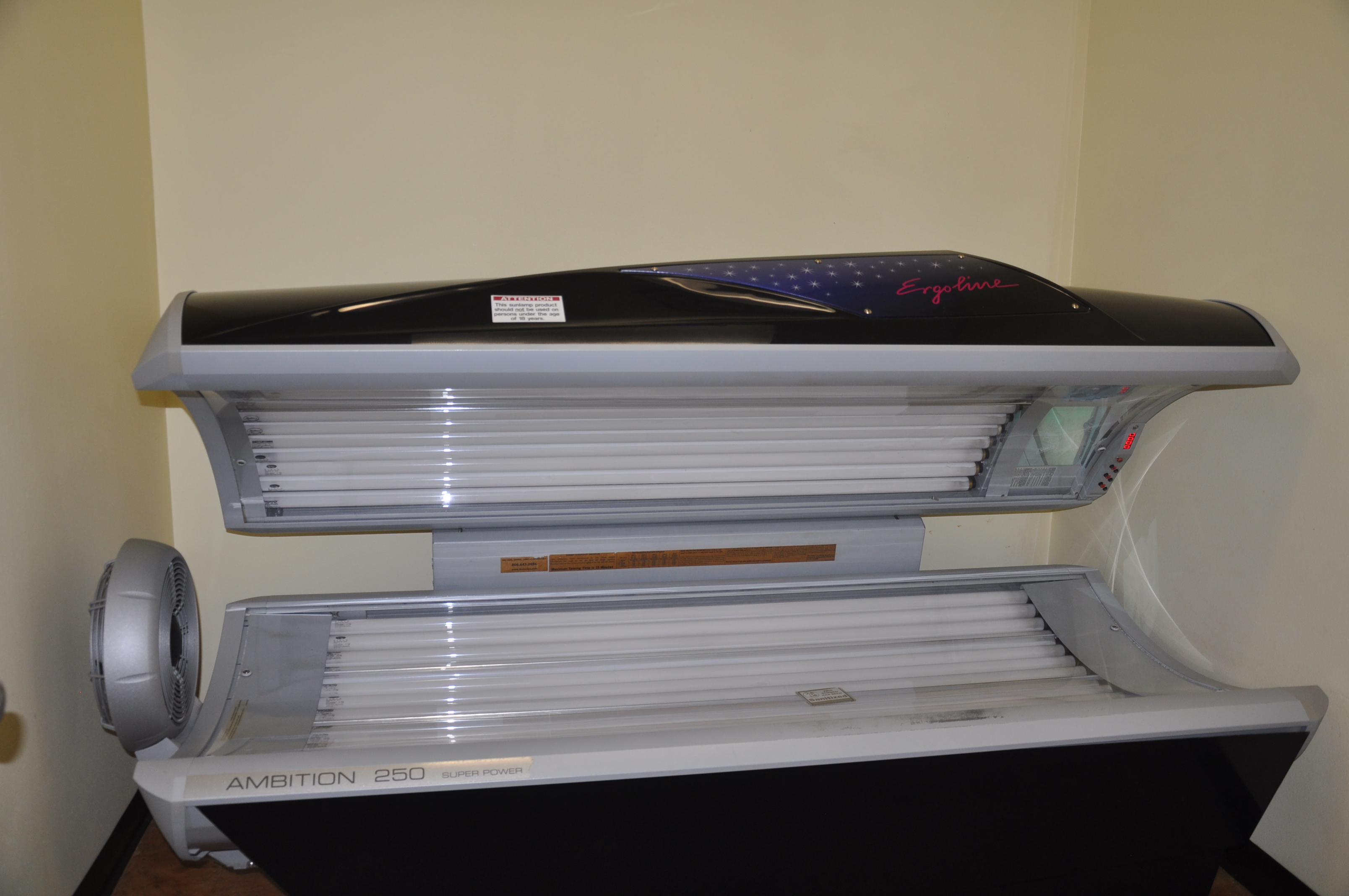
Separate the appearance goal from UV exposure
Describe the result you want in cosmetic terms: a warmer-looking face for one evening, a more even-looking body color for an event, or a change you would prefer to maintain for several days. None of those descriptions requires a target amount of sun or a tanning-bed session. Keeping the appearance goal explicit makes it easier to compare actual cosmetic products.
AAD states that sun and indoor tanning are not safe ways to tan and recommends self-tanner for people who want the look. A base tan does not prevent sunburn. This is the reason the decision starts with color preference rather than a timetable for exposure. There is no safe tanning-bed setting supplied in this guide.
Know the difference between temporary bronzer and self-tanner
FDA describes bronzers as products that can provide temporary tan-like color, such as tinted moisturizers or brush-on powders, which wash off over time. It describes sunless tanners as products producing a tan appearance without UV, often using DHA. Read the exact package rather than assuming that every brown lotion belongs to the same group.
For an evening event, a removable cosmetic color may fit the task better than a product with development and washing instructions that extend into the next day. For a longer-lasting cosmetic effect, consider whether you can follow all application and aftercare directions. These are ordinary planning differences, not a ranking of people’s natural skin tones or a requirement to look tan.
Read tanning words instead of assuming UV-free
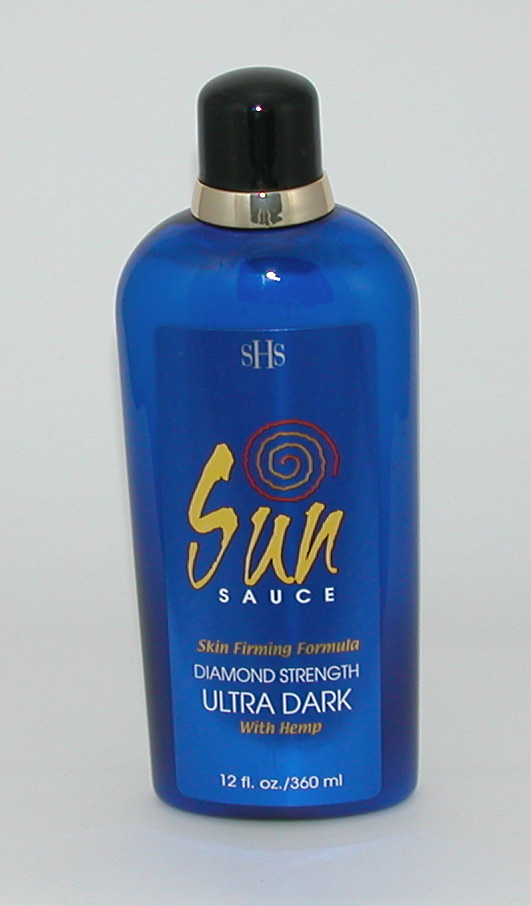
Words such as bronzing, accelerator, indoor tanning and ultra dark can appear across very different products. The historical lotion photograph illustrates that ambiguity: it is identified by its photographer as an indoor-tanning lotion, not as a verified UV-free self-tanner or sunscreen. Find the intended use and complete instructions on a current package before buying.
If a seller describes a product as something to use before a tanning-bed session, do not count it as a way to avoid UV exposure. If it claims sun protection, read its actual SPF and sunscreen directions separately. A product name, a palm-tree illustration or a dark bottle does not settle either question. Ask the manufacturer if the intended job remains unclear.
Choose a formulation you can apply as directed
Consider the application setting: reachable skin, suitable light, time to let the product develop or dry, and clothing you can wear afterward according to its instructions. A lotion, mousse and spray can involve different handling. A format that looks convenient in a short video may be awkward if you cannot follow its directions in your own bathroom.
FDA restricts DHA to external application and does not permit its use around the eyes, on lips or mucous membranes; inhalation exposure raises a separate issue. Do not improvise use in those areas. With a spray service, ask how prohibited exposures are avoided before proceeding. If the service cannot answer clearly, choose another approach rather than assuming the word sunless resolves every concern.
Allow a cosmetic trial before an important event
Read the product’s own first-use instructions and warnings. If you are considering a new cosmetic look, do it with enough time to see the normal result and follow the removal or washing directions before the event. Use the stated method instead of inventing a stronger application because a camera makes the first result look subtle.
Consider ordinary practicalities: the neckline of the outfit, what happens at the wrists, whether the product transfers according to its directions, and how you will wash your hands afterward. Do not overcorrect a small uneven area by repeatedly layering unknown products. If the result is unsuitable, follow the manufacturer’s removal guidance or leave the cosmetic color for another day.
Keep sunscreen independent from visible color
A self-tanner cannot substitute for sun protection. AAD advises continuing sun-safe habits. Keep the sunscreen’s actual directions, covering clothes and shade in place even if the skin looks darker after a cosmetic product. A tan-like color is not a visual SPF meter, and compliments about the result do not say anything about UV protection.
For an event with changing outfits, identify exposed areas as you would without the cosmetic color. A bronzed shoulder still needs its appropriate protection plan. Carry reachable sunscreen if the outing requires reapplication, and do not use a wish to preserve the color as a reason to extend time in the sun or avoid normal protective steps.
Reject the escalation from cosmetics to unverified procedures
If a product or service requires swallowing, injecting or inhaling a substance to achieve the look, do not treat it as the same simple choice as applying a labeled cosmetic. FDA’s sunless-product information describes specific permitted uses, not blanket approval for every tanning trend. Ask a qualified professional about an unfamiliar route rather than following an influencer’s demonstration.
If a cosmetic causes a concerning response, stop according to its warnings and seek appropriate advice. Keep the name, ingredients and purchase information. An appearance preference can remain optional: you can wear your normal skin tone, use a removable cosmetic or skip the process entirely. There is no practical reason an upcoming event must become a deadline for deliberate UV exposure.
One evening of color without a tanning appointment
Rowan wants a warmer-looking finish for an evening party. After comparing a temporary body cosmetic with a developing self-tanner, Rowan chooses the product whose application and removal directions fit the available time, tries the cosmetic look before the event and keeps the package. The next day’s outdoor plans still use normal sun protection. The result sought was a cosmetic appearance, so there was no reason to add a tanning-bed appointment or a period of sunbathing.
Questions
Does a self-tan prepare skin for a sunny holiday?
Its visible color is not a substitute for sun protection. Plan sunscreen, clothing and shade for the actual holiday rather than assuming a cosmetic appearance provides a base of protection.
Is every indoor-tanning lotion a self-tanner?
No. Read the actual intended use and ingredients. A lotion marketed for use alongside a tanning bed is not automatically a UV-free cosmetic alternative; the photograph here is included precisely to make that label distinction visible.
Sources and photography
Photographs are credited beside each image. Their recorded capture dates describe the images; check the current visitor or product information linked above when planning.