Keep sunscreen out of the hottest part of the outing
Plan where sunscreen will stay between applications before a day at the beach, a trailhead or an outdoor tournament. The simplest improvement is a reachable, shaded place in the original labeled container, with someone responsible for putting it back. This guide distinguishes a product photograph from a storage method and explains what to do when a container’s history is uncertain.
Read storage instructions before packing
Find the storage wording on your actual sunscreen container or carton. FDA says sunscreen should be protected from excessive heat and direct sun, and suggests shade or wrapping the container in a towel during long periods outside in heat. Use that guidance to choose a place before the outing, not after the bottle has spent hours on a sunny bench.
Check whether other directions apply to the product form you carry. A container with additional warnings needs those warnings respected too. Do not improvise refrigeration, freezing or a new storage vessel because it sounds more protective. Ask the manufacturer about conditions beyond the label rather than assuming that the coldest possible place is always appropriate.
Separate an attractive display from a storage place
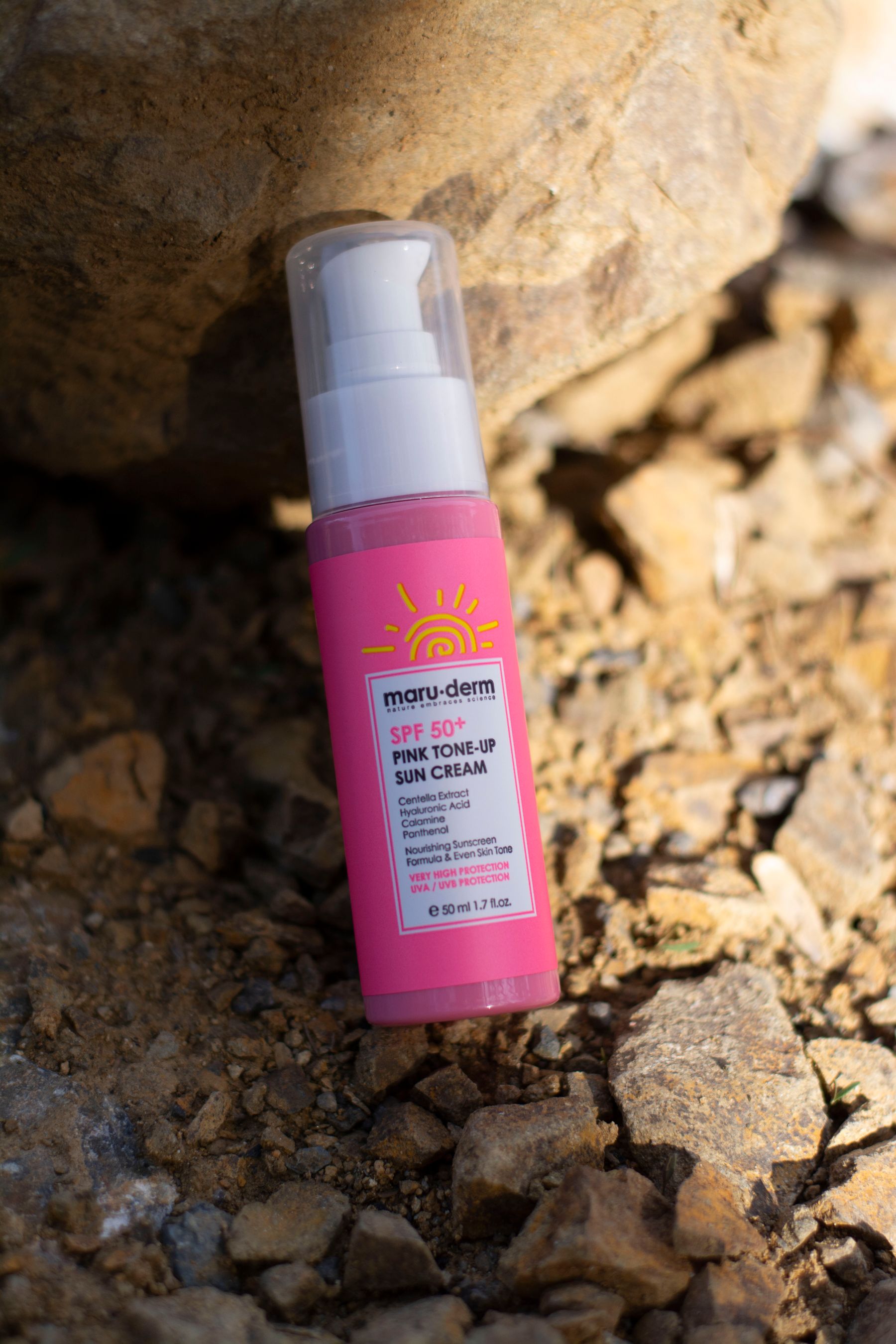
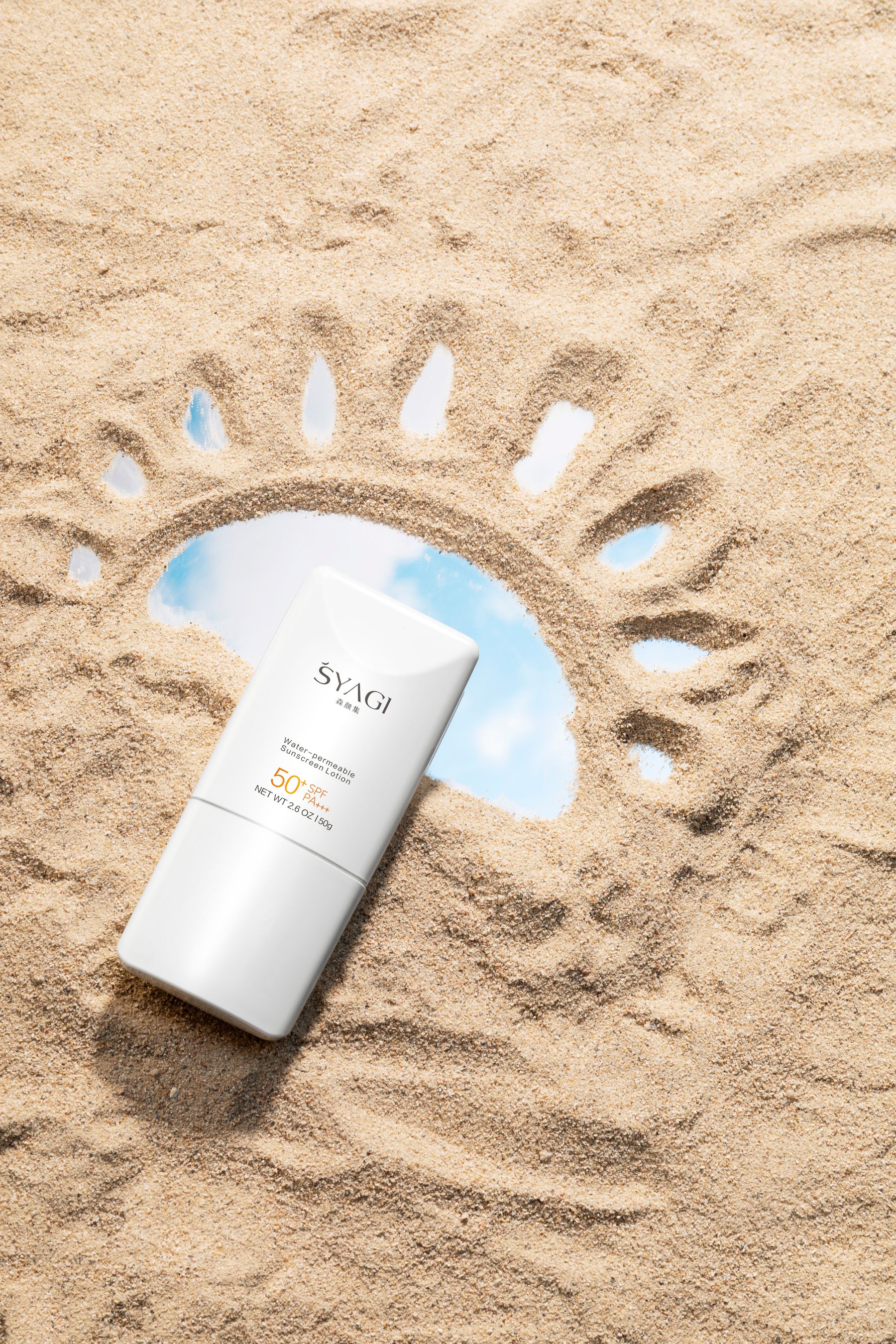
Product photographs often put sunscreen on rocks, sand or a bright towel to make it visible. That does not make the setting an example to copy for a long afternoon. The photographs in this guide identify real sunscreen containers, but cannot tell you their temperatures or how long they remained there. A visually appealing bottle is still an item with storage directions.
At your destination, identify the actual place that will stay shaded and accessible. A moving patch of shade requires checking later, while a bag placed under a seat may remain easier to manage. Keep the container where it will not be buried in hot sand or forgotten on a wall after a group photograph. The task is to maintain a usable supply, not arrange an attractive still life.
Keep access and protection together
Choose a bag location that lets you find the product without unpacking everything. If the bottle goes deep beneath shoes or sports equipment, the practical inconvenience can encourage missed applications. Keep it with the personal supplies needed at the same break, while protecting the container as directed. Close it properly before returning it to the bag.
If one group shares a container, name its home: the shaded side pocket of a particular bag, for example. Tell people to put it back there. Avoid passing it from towel to chair to cooler lid with nobody tracking its location. This ordinary agreement is more useful than buying a larger bottle that nobody can find when the next application is due.
Do not use a parked car as the default supply cupboard
Arrange access without relying on a bottle left in a vehicle throughout an outdoor session. FDA’s concern is excessive heat and direct sun; a storage plan should address those conditions rather than assume any closed compartment is suitable. Read the actual product instructions and consider whether your chosen location meets them during the outing.
For a tournament with restricted bags, check permitted container sizes or storage arrangements before arrival. Bring an allowed labeled supply or plan a feasible replacement. If your only bottle is in a location you cannot access safely, do not postpone the problem until a reminder rings. Shade, covering clothes and a shorter exposed session are practical options while obtaining an appropriate supply.
Preserve the package information
Keep the original label, expiry information and any lot code available. A decorative refill bottle loses important identity and storage information, and other people may mistake it for moisturizer. If you need a smaller size, choose a properly labeled travel product or ask the maker whether a particular transfer method is acceptable; do not assume any unmarked jar is equivalent.
Before leaving home, check that the container is intact and closes properly. A leaking cap or broken pump makes both carrying and normal application awkward. Put a damaged container aside and obtain a usable supply, rather than relying on tape and hoping it survives the day. The useful packing question is whether the product can be identified, stored and dispensed according to its instructions.
Handle uncertain age and exposure without inventing a test
FDA advises against using expired sunscreen, or an undated product more than three years after purchase; if its age is unknown, discard it. Keep a simple purchase reference for an undated container so you do not face the same uncertainty next season. A date in a shopping receipt can be enough; elaborate inventory software is unnecessary.
A product that looks normal is not proven effective after an unknown storage history. Do not test it by spending time in the sun or judging whether it spreads smoothly. If you know the bottle experienced conditions outside its instructions, ask the manufacturer about that specific situation and use a suitable replacement while uncertainty remains. Avoid inventing a universal temperature threshold that the actual label does not provide.
Make the return home part of ownership
Bring the container back indoors to its proper storage location when the outing ends. Remove it from the beach bag before that bag is left in a vehicle or a sunny porch. Wipe the outside if necessary without erasing the label, and check the closure before putting it away. That prevents the next outing from beginning with a leaking or unidentified bottle.
If a group used much of the supply, replace it before the next event rather than discovering an empty pump at the destination. Keep the plan modest: one known container, one suitable home, a usable expiry reference and enough product for the intended activity. Storage supports correct application; it does not replace application, covering clothing or shade.
A shared beach bottle with a consistent home
Four friends decide that the sunscreen belongs inside one bag kept in shade, wrapped as its instructions allow. Each person retrieves it for application and returns it to the same place. When they move their seating area, they move the bag too rather than leaving the bottle on the old towel. Back home, its owner unpacks it and checks how much remains. This is a storage-and-access routine, not a claim that a bag creates a measured temperature-controlled environment.
Questions
Does an opaque bottle make direct sunlight acceptable?
Do not infer that from the packaging. Follow the storage instructions on that product. A colored or opaque container is not permission to ignore a warning about excessive heat and direct sun.
Can I tell from the texture whether heat damaged it?
Appearance alone cannot verify its promised protection after an uncertain history. Ask the manufacturer about a specific storage incident and use a suitable replacement while the question remains. Never assess protection by deliberately exposing skin.
Sources and photography
Photographs are credited beside each image. Their recorded capture dates describe the images; check the current visitor or product information linked above when planning.