Put sunscreen reapplication on an outdoor event timeline
For an outdoor event, sunscreen belongs on the day’s timeline before the gates open, during the activity and after swimming or heavy sweating. A bottle in the bag is only a supply. This guide shows how to turn the actual label directions into usable breaks, with room for changing schedules, shade and clothing rather than a false promise that one application lasts all day.
Begin with the actual outdoor period
Write the event sequence in ordinary terms: travel, queue, seated session, lunch, afternoon activity and journey home. Count the queue and walk between venues as part of being outdoors. An event advertised as a two-hour match can create a much longer day once arrival and departure are included. You need a plan for the day you will actually have.
Identify who controls each transition. You might be able to leave a festival area briefly but unable to leave a race start corral once admitted. A shaded lunch break might be available only after the first session. These details tell you where a planned sunscreen task can realistically happen, rather than creating an alarm for a moment when your hands and belongings are inaccessible.
Read the label before choosing the first application time
FDA general guidance is to apply sunscreen fifteen minutes before sun exposure. Use the directions on your own product and build the first application into preparation, before the exposed walk or queue begins. Applying only after you settle into a seat overlooks that first part of the outing. Leave time to use the product properly rather than trying to do it while rushing out of a car.
AAD recommends a broad-spectrum, water-resistant sunscreen with SPF30 or higher. Check those separate terms rather than using a large SPF number as the only selection criterion. Read form-specific instructions as well. A spray, stick and lotion need not share the same handling method, and a schedule cannot correct an application that ignores the label.
Map coverage to the clothes you will wear
Lay out the event outfit and consider which skin will be exposed. If you change from a long-sleeved travel top into a sleeveless shirt, that changes the areas needing attention. A collar moved by a backpack or sandals replacing shoes can reveal areas you did not consider during the first application. Prepare before you are standing in a crowded changing space.
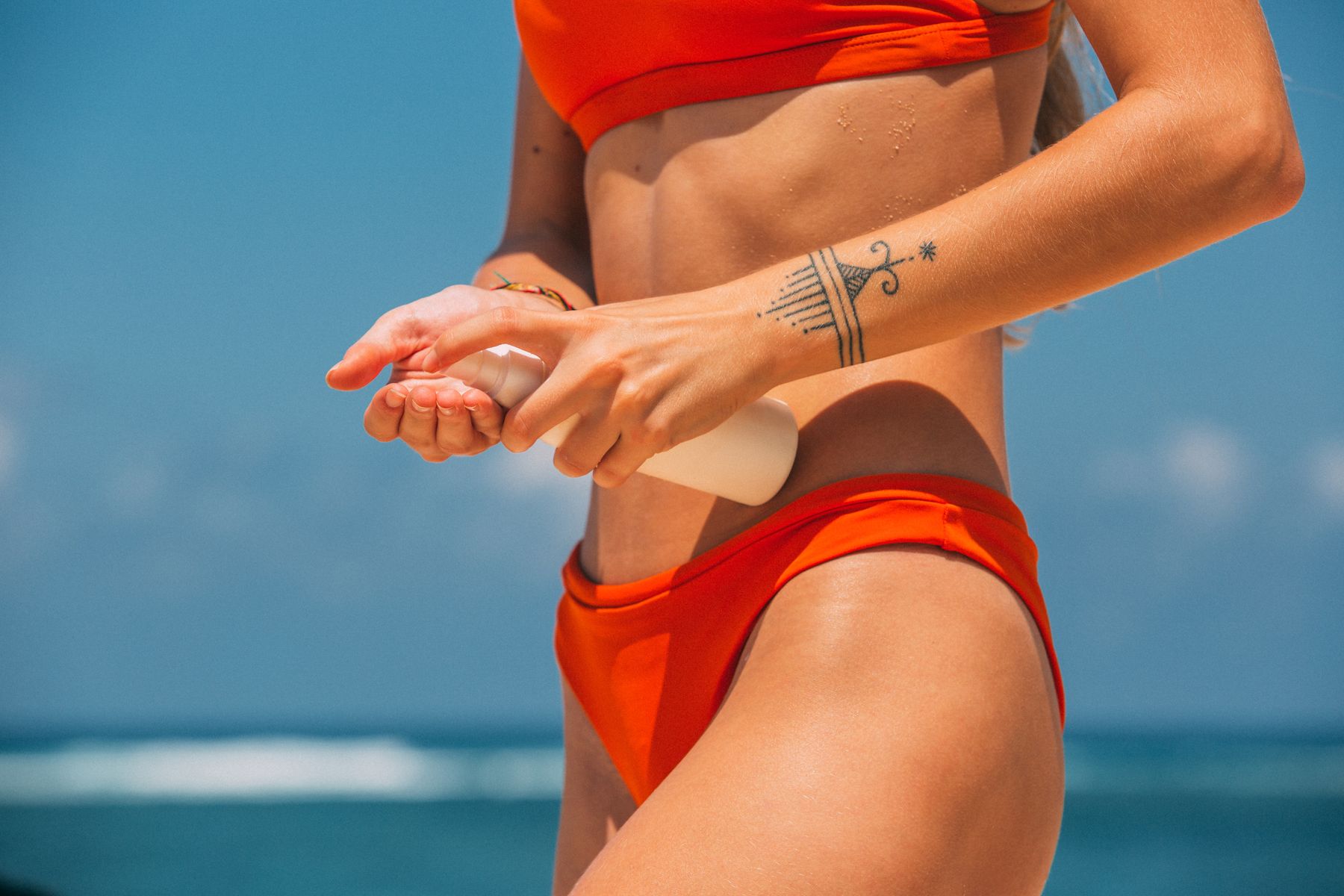
Use enough product as directed and arrange help for hard-to-reach areas if needed. Do not use the small amount shown in a photograph as a full-body quantity. Keep sunglasses, a suitable hat and covering clothes in the same outing plan. Sunscreen application works alongside those choices; it does not give a reason to remove useful coverage just because you remembered the bottle.
Read the water-resistance clock separately
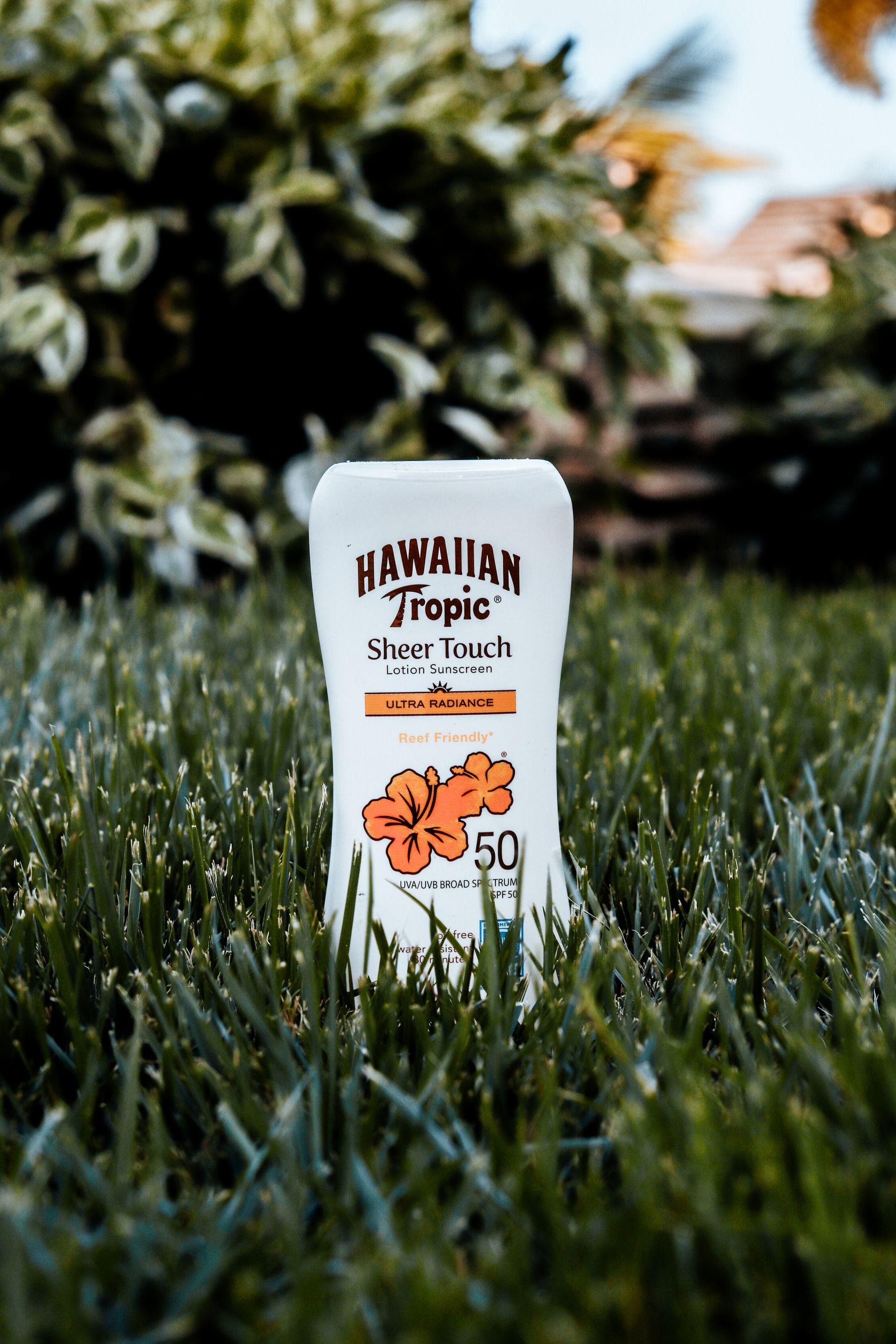
FDA says water-resistant sunscreens state forty or eighty minutes for swimming or sweating; no sunscreen is waterproof. This is different from the ordinary reapplication interval. Read the number on your actual pack before a swim, water activity or sweaty event. A bottle photographed on grass cannot supply information hidden on its back label.
When planning a swim, identify where you can dry, find your belongings and reapply according to the label, including directions after towel drying. Do not wait for a two-hour reminder if the product calls for an earlier action. A child’s lesson, an adult’s swim and a spectator’s dry seating period can create different practical schedules even when everyone packed the same sunscreen.
Use a reminder with a place attached
General guidance is to reapply at least every two hours while outdoors and more often as directed for swimming or sweating. Set the reminder from the actual application, not from a vague event start time. Pair it with a feasible location: a permitted bag at your seat, a nearby shaded rest area or a planned return to the locker.
If the event has long uninterrupted sessions, plan with that constraint before entering. Ask about bag rules and available breaks; carry an allowed product rather than assuming a bottle can be retrieved from a distant car. An alarm that repeatedly rings while your supplies are unavailable is a sign that the plan needs a different access arrangement.
Make the plan survive lunch and timetable changes
After a delay, work from what actually happened. If you reapplied early before a long session, note that time rather than following the original alarm blindly. If the next activity adds swimming, read the water-related directions before beginning. The useful record can be a single phone reminder; there is no need to document every movement or calculate an imaginary protection percentage.
A lunch break is also a chance to replenish supplies, adjust clothing and choose shade. Keep sunscreen containers protected from excessive heat and direct sun according to their label. Put the bottle back where you can reach it at the next break. A container that disappears into someone else’s bag can defeat an otherwise sensible timeline.
Use an honest fallback when supplies or access fail
If the bottle is forgotten, empty or inaccessible, obtain a suitable replacement when possible and increase shade or clothing coverage while arranging it. Do not assume the morning application covers an unexpected extra afternoon. Leaving an exposed activity or shortening the day can be a practical choice when you cannot follow the plan.
For personal skin conditions, medicines or a history that affects sun care, ask your clinician about an appropriate plan before the event. This guide organizes general instructions; it does not calculate an individual safe exposure allowance. Continue to pay attention to actual conditions and product directions rather than treating the completed schedule as a guarantee.
An outdoor match with a swim afterward
A spectator plans the first application before the walk to the venue, keeps the labeled product in a permitted bag and pairs reapplication reminders with accessible breaks. When friends add a swim after the match, the spectator reads the pack’s water-resistance and towel-drying directions rather than extending the match schedule unchanged. Covering clothing and shade remain part of the outing. The plan tracks actions that can actually be performed, not a predicted number of burn-free hours.
Questions
Can I multiply the SPF by how long I usually stay outside?
No. FDA explains that SPF is not a multiplier for a personal safe time in the sun. Follow application directions and use shade and clothing; do not turn the number into permission to extend an outing.
What if I reapply earlier than the alarm?
Base the next reminder on the actual application and label directions, including any earlier swimming, sweating or towel-drying trigger. The reminder is a practical aid, not a separate rule that overrides the product.
Sources and photography
Photographs are credited beside each image. Their recorded capture dates describe the images; check the current visitor or product information linked above when planning.