Read deodorant and antiperspirant as different product jobs
Choose an underarm product by the job you want it to do before choosing a scent or format. Deodorant addresses odor; antiperspirant reduces sweating. Some products combine the two. This guide shows how to read the actual package, fit its directions into an ordinary day and recognize when repeated product changes are no longer an adequate response to a sweating concern.
Identify the job before choosing a format
Describe the problem in ordinary terms: you want less noticeable odor, less underarm wetness, or help with both. AAD explains that antiperspirants reduce sweating while deodorants mask or stop odor. A strong fragrance is therefore not evidence that a deodorant will reduce wetness. A roll-on, stick or spray describes a form, not the entire job.
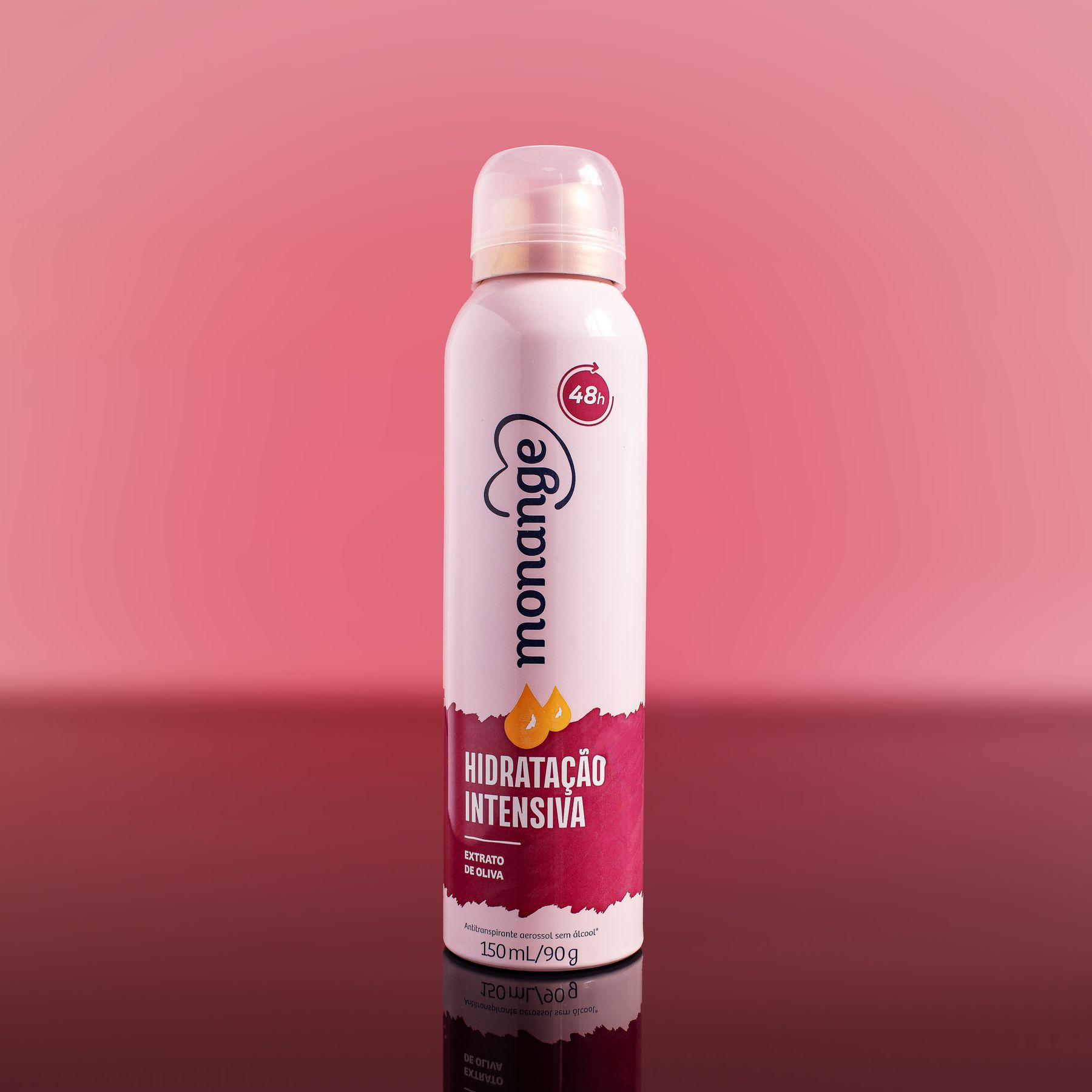
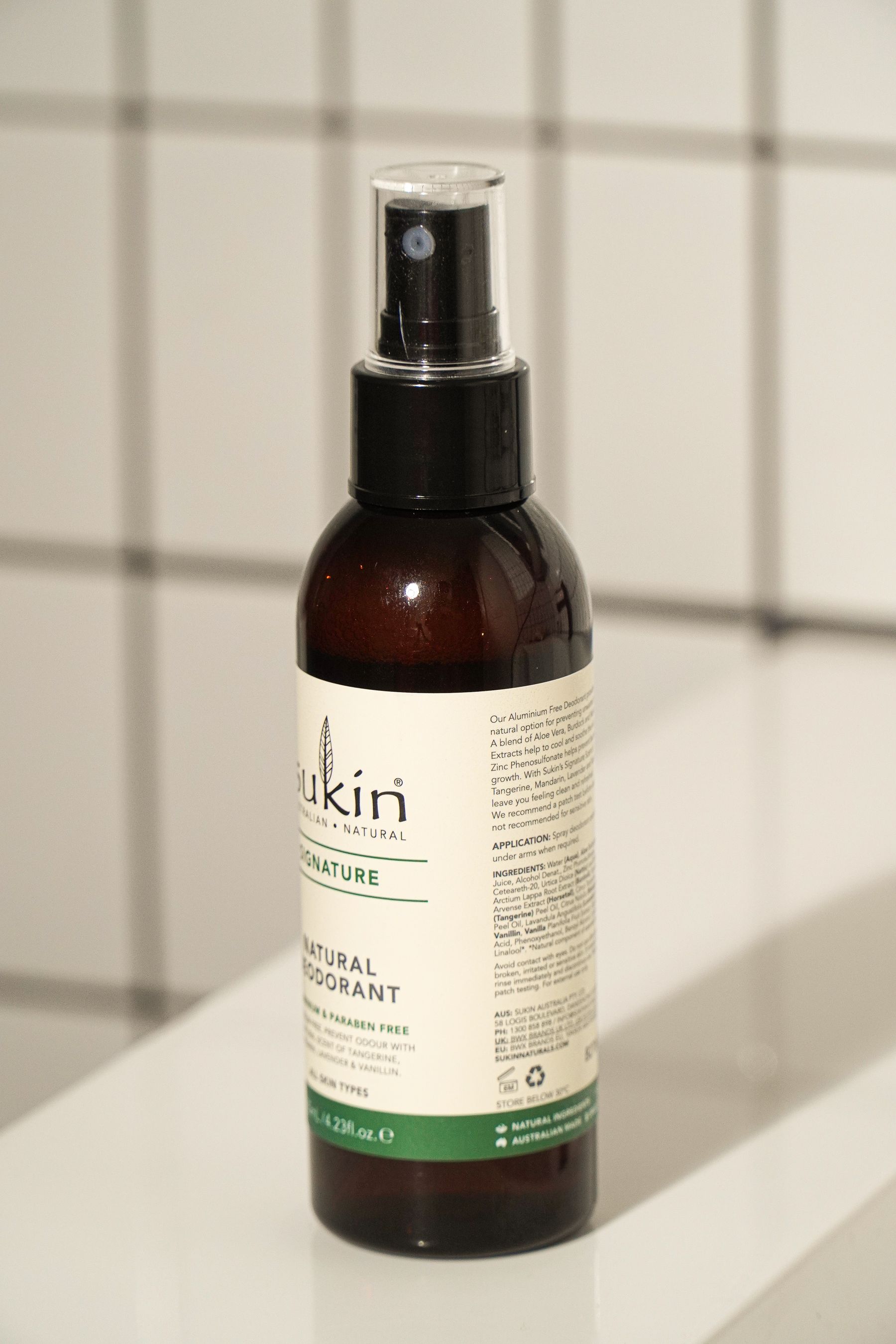
Look for the actual product description on the pack. A combined antiperspirant-deodorant can serve both roles, but the word fresh alone is not enough to identify it. Read the current bottle rather than relying on the brand name: one brand can sell products with different functions in very similar packaging. The two real product photos here make that label distinction visible.
Read the relevant directions and warnings
In the US, FDA generally classifies deodorants as cosmetics and antiperspirants as drugs; combined products have both roles. An OTC antiperspirant’s Drug Facts information deserves attention alongside its front label. Read where and how to use that exact product, any stop-use or ask-a-doctor warnings, and storage requirements.
A non-US package can identify a real product without supplying the US label instructions for your own purchase. Do not copy an application schedule from a photograph or assume an imported aerosol’s front tells you every warning. If the information is incomplete or hard to understand, ask the pharmacist or manufacturer about that exact item before using it.
Arrange application around the actual product
Follow your package or prescribed instructions about timing and skin condition. If your dermatologist has prescribed an antiperspirant, ask how other underarm products fit with it. AAD’s treatment guidance may involve application to dry skin at bedtime; that is not permission to invent one universal schedule for every bottle on the shelf.
Keep the chosen item where you can find it at the relevant time. A product intended for an evening treatment plan is easy to miss if it lives only in a gym bag used in the morning. Conversely, a personal cosmetic used after ordinary grooming can stay with those supplies. Organizing by the actual instruction is more useful than applying everything twice because several products are available.
Choose a format you can handle correctly
Compare the practical steps: opening the cap, dispensing, using only the intended area and putting the container away. A spray may be convenient in one setting and awkward in another. FDA says cosmetic aerosols should be used in a well-ventilated area and away from smoking or open flames. Read the additional warnings on your own can.
Do not use fragrance in a crowded changing room as a substitute for washing or changing clothes when those are needed. Keep your product personal and avoid confusing it with a roommate’s similarly shaped bottle. A suitable format is one whose label directions you can actually follow in your home or travel routine, not simply the smallest or most heavily advertised container.
Do not extend an underarm label to every body area
A product’s intended area matters. Do not apply an underarm preparation to the face, groin or broken skin because a general advertisement calls it body care. A prescribed treatment for another site needs the prescriber’s actual directions. The same product form can contain different ingredients and warnings, so one person’s use on hands or feet does not establish yours.
If you want advice about odor or sweating in another area, identify that area and ask a clinician or pharmacist for the appropriate option. Avoid layering several fragrances or stronger preparations to cover a concern you have not described. A specific question about location and symptoms is more useful than asking for whatever is strongest.
Evaluate whether the chosen product matches the concern
After ordinary use according to its directions, compare the result with the job you selected. If odor is less noticeable but wetness remains, that does not automatically mean a deodorant failed at its intended role. Read whether it was an antiperspirant before buying another fragrance. If you wanted both functions, check that the package actually offers them.
If a product irritates, do not keep applying more to overpower the problem. Follow its stop-use advice and seek appropriate guidance. Keep the name and label available. Change one practical decision at a time when advised, instead of introducing a new wash, scrub, fragrance and antiperspirant together and then trying to guess which change mattered.
Seek help when sweating interferes with daily life
AAD describes excessive sweating that interferes with everyday activities as a reason to work with a dermatologist. Explain the practical effect: clothing becomes soaked, hands make tasks difficult, or sweating occurs in situations you cannot manage with ordinary care. You do not need to arrive with a self-diagnosis of hyperhidrosis.
Bring the products tried, the directions followed and what happened, including irritation. Tell the clinician about medicines or other health concerns as asked; do not stop a prescribed medicine on your own because you suspect a link. A treatment conversation can address the actual pattern more effectively than continuously upgrading a product’s marketing strength while the same daily problem continues.
Wetness and scent become two separate questions
Alex chooses a deodorant for odor and later notices damp underarms during a presentation. Instead of buying the same product in a stronger scent, Alex reads the pack and sees that it is not labeled antiperspirant. Alex asks about a suitable product for the actual wetness concern and follows its directions. If sweating continues to interfere with work, Alex brings that specific effect and the product history to a dermatologist rather than treating fragrance intensity as a treatment scale.
Questions
Is a natural deodorant automatically an antiperspirant?
No. Natural is not a statement that the product reduces sweating. Read its actual job and directions, and do not infer a therapeutic effect from a marketing term.
Can I combine deodorant with prescribed antiperspirant?
Ask the prescribing dermatologist how and when the products fit together. AAD describes options for combining the jobs, but your prescription and skin response should determine the actual routine.
Sources and photography
- AAD: Hyperhidrosis self-care
- FDA: Personal care product categories
- FDA: Using Cosmetics Safely
- AAD: How to control excessive sweating
Photographs are credited beside each image. Their recorded capture dates describe the images; check the current visitor or product information linked above when planning.