Give a shower a clear finish instead of extending hot-water exposure
A shower is easier to keep comfortable when it has an ending: washing is finished, water goes off, and the towel and moisturizer are already within reach. This guide turns that sequence into something usable in a shared bathroom, after exercise or on a cold evening, without treating a longer, hotter shower as the answer to dry-feeling skin.
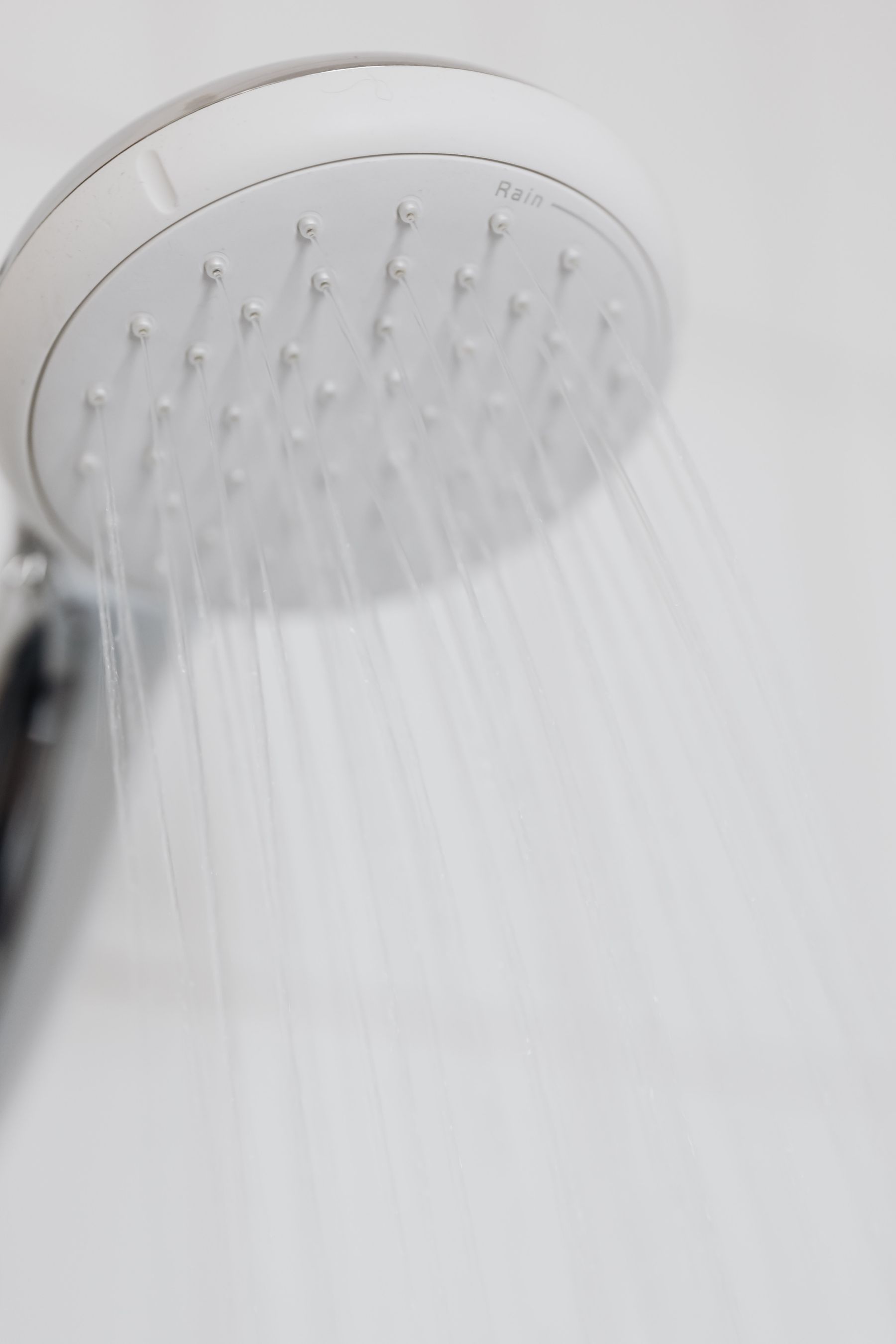
Set up the part that happens after the water stops
Before turning the tap, put a clean towel somewhere you can reach from a stable position. Set your usual moisturizer on a dry surface outside the spray. Open a difficult outer carton beforehand, but keep the actual container closed. This small arrangement prevents the familiar delay of leaving the bathroom, looking for a product and returning after dressing.
Choose clean clothes before starting, especially if the bathroom is shared. You need a practical route from rinse to towel to body care, not an elaborate display of products. Keep the floor clear and the bottle away from the edge. Do not trade a safe exit for having everything within arm’s reach while standing under water.
Use a time boundary without racing through essential tasks
The American Academy of Dermatology recommends warm showers lasting five to ten minutes for dry skin. Treat that as a reason to organize the sequence, rather than a contest in which you skip rinsing or hurry across a slippery floor. A timer outside the wet area can reveal how much time is spent simply standing under the stream.
Think through the order once: wet hair if washing it, use the products actually needed, rinse thoroughly, then stop. If you are accustomed to remaining under hot water while deciding which bottle comes next, put those decisions before the shower. Avoid repeatedly adjusting the tap hotter to prolong the experience. The useful change is a clear finish, with no promise that one timed shower will resolve a skin problem.
Separate cleaning from the idea of scrubbing everything
The AAD advises a gentle cleanser, using it where needed rather than building a thick lather everywhere. Read the container in your bathroom: a body cleanser, an exfoliating scrub and a medicated wash have different instructions. The last two should not silently become extra stages just because they stand beside the ordinary cleanser.
Use enough room to handle the bottle without juggling several products. Close it after dispensing and rinse the areas you washed before moving on. If you cannot remember whether an area was rinsed, address that specific area rather than restarting the entire routine. A sense of being thoroughly cleaned does not require making skin squeak, repeatedly rubbing the same place or adding a brush.
Give hair washing its own realistic place
On a hair-washing day, prepare the products you normally use before entering. Follow their directions, including any specified contact time. A body-care article cannot override the instructions for a prescribed scalp treatment. If the treatment instructions make the usual routine awkward, ask the clinician or pharmacist how to arrange it instead of improvising a stronger or shorter application.
For ordinary logistics, decide whether an extended hair task can happen outside the running stream when that is comfortable and safe. Do not stand in an increasingly hot shower just to wait for a later step. On a day without hair washing, leave those bottles out of the sequence entirely. Reducing unnecessary stages is easier than trying to perform every existing stage faster.
Make the towel step gentle and deliberate
When washing and rinsing are complete, turn off the water before collecting items. The AAD recommends patting with a clean, dry towel instead of rubbing dry skin. Begin where dripping water makes movement awkward, then work steadily. You do not need to scrub away every last trace of moisture before reaching for body care.
Use a towel that is available for this purpose, rather than the cloth used for wiping down the shower. If the only towel is damp from someone else’s use, solve the supply problem for next time instead of building a new harsh drying technique around it. At a gym, put your clean towel in a protected part of the bag before the session so it is ready when needed.
Bring moisturizer into the ending
AAD guidance places moisturizer on skin that is still damp after bathing. It recommends fragrance-free products and generally favors creams or ointments for overly dry skin. Use a product you can identify and tolerate, following its directions. A photograph of a pump bottle cannot tell you what is in your own bottle or whether it suits you.
Apply without turning the step into a prolonged massage or another attempt to remove skin texture. Let practical coverage guide you: reach the areas you intended to moisturize, then close the container and dress. If the product repeatedly burns or stings, do not compensate by rubbing harder or adding a scented oil. Tell a dermatologist about that reaction and bring the product name.

Handle cold rooms and shared bathrooms
If leaving warm water feels unpleasant because the room is cold, address the transition: have the towel and clothes ready, arrange a suitable time when the room is available, and keep your exit clear. Use any bathroom equipment according to its safety instructions. A longer hot shower is a poor substitute for resolving a missing towel or an interrupted routine.
In shared accommodation, carry a small identifiable set rather than assuming that the communal pump contains the product you expect. Keep necessary medicines in their original labeled containers. If a roommate needs the bathroom immediately afterward, agree on enough time for your normal rinse and safe exit; squeeze out idle time, not basic care or stability.
Know what changing the routine can and cannot answer
A shorter organized shower can make your routine easier to repeat. It cannot establish why skin is persistently itchy, cracked or uncomfortable. If dry skin continues despite reasonable care, the AAD recommends seeing a dermatologist. Explain what you changed, what you felt and which products were involved, rather than claiming a diagnosis based on the shower alone.
An especially useful description is concrete: discomfort began after washing, a certain product stung, or the towel step involved repeated rubbing. Include prescribed treatments when discussing the routine. Avoid using the appointment wait as a reason to add progressively stronger beauty products. Keep ordinary care understandable so that a professional can assess the actual problem.
A hair-washing evening in a shared bathroom
Maya used to finish washing, then spend several more minutes under the water while thinking about her evening. She now places her towel, moisturizer and sleepwear before entering, checks which hair products she needs, and stops the water once rinsing is complete. She pats with the towel, applies her usual body moisturizer and dresses. Her improvement is a workable sequence she can describe; it is not evidence that a particular shower duration treats everyone’s dry skin.
Questions
Should I leave cleanser on to use up the timer?
No. Follow the cleanser’s own directions. The time boundary is an aid to reducing unnecessary exposure, not a new product contact time. A prescribed or medicated wash may have specific instructions that deserve a separate conversation with the prescriber.
What if I forget my moisturizer at the gym?
Complete the shower and leave safely. Retrieve your own product when practical rather than using an unknown communal preparation. Put a labeled travel container, where permitted by its instructions, on your next packing list so the same delay is less likely.
Sources and photography
Photographs are credited beside each image. Their recorded capture dates describe the images; check the current visitor or product information linked above when planning.