Keep hand hygiene and dry-skin care in the same routine
Dry hands make an ordinary day harder when every required wash is followed by an uncomfortable, forgotten care step. Keep hygiene intact and build a practical transition from washing to drying to appropriate moisturizer. This adult guide shows how to organize home, work and away-from-home routines, and what information to take to a clinician when the problem persists.
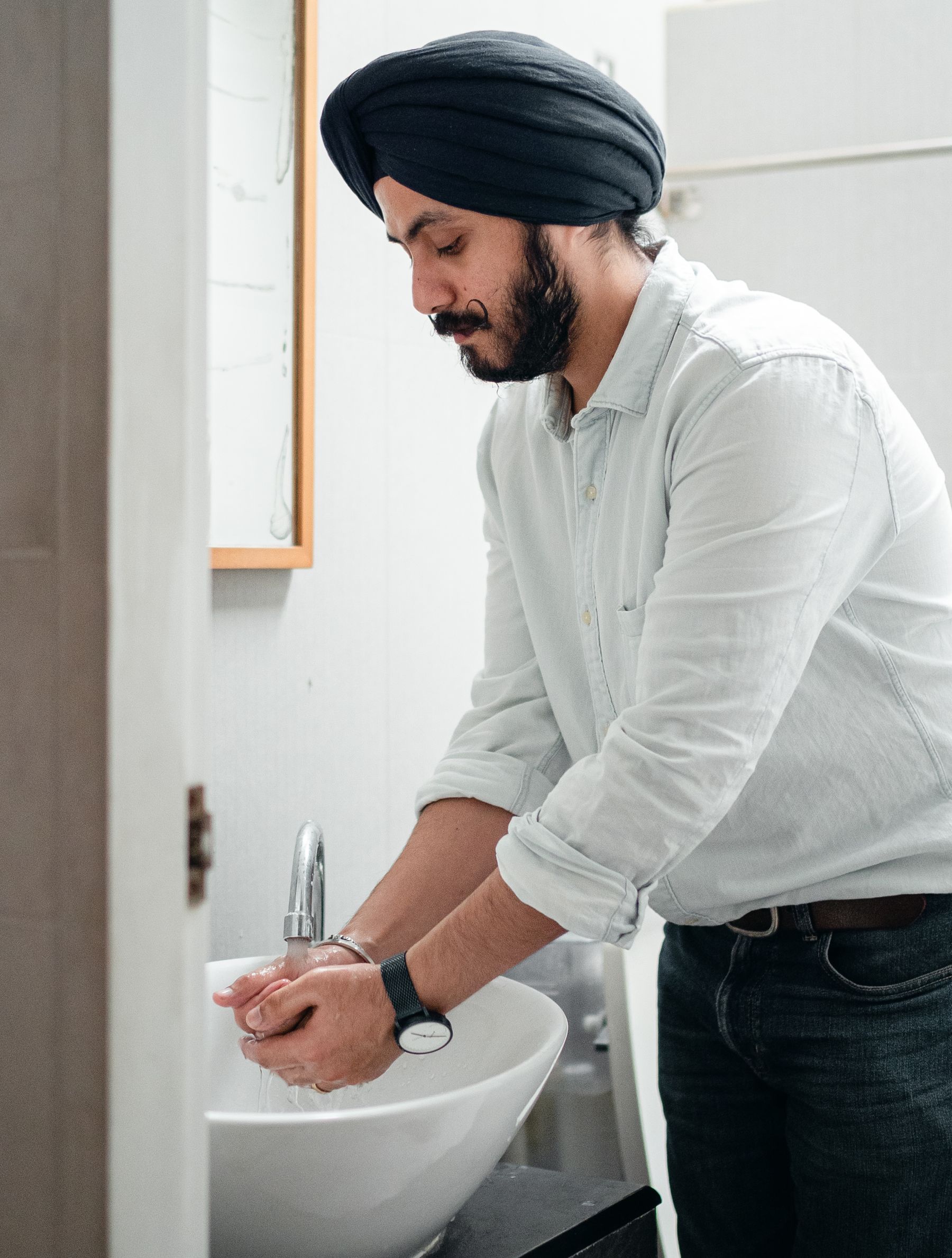
Map the washing moments you already need
Start with an ordinary day, not an idealized list of cosmetic habits. CDC identifies key washing times around food preparation and eating, after toilet use, after handling waste and in other relevant situations. Write the places where those tasks actually happen: kitchen, bathroom, workplace or another care setting. Dry skin is a reason to improve the care transition, not to skip needed hygiene.
For each place, identify the missing step. Perhaps the towel is unavailable, the familiar cream stays in a bedroom, or a large jar is awkward to carry. Name one obstacle at each location. A useful map can fit on a small note: washing point, drying method, care product and next activity. You do not need to count every contact or monitor your hands all day to discover that the only cream is in the wrong room.
Keep the complete handwashing method
CDC’s basic sequence uses clean running water, soap, rubbing all hand surfaces for at least twenty seconds, rinsing and appropriate drying. Include the backs of hands, between fingers and under nails. Do not shorten the soap stage in exchange for applying cream afterward; moisturizing does not perform the same hygiene task. Keep the appropriate method for the situation rather than deciding from which step feels most pleasant.
At a shared sink, check that you can reach soap and a suitable drying option before starting a task that requires clean hands. If supplies run out at work, report the actual missing item through the responsible route. A vague complaint that the sink is inconvenient is harder to resolve than a specific statement that the dispenser is empty or the approved drying material is unavailable. Ordinary household observations can also be specific without becoming a claim that you have measured contamination.
Make the drying-to-care transition easy
For ordinary dry-hand care, AAD describes using a clean towel and applying hand cream or ointment while the skin is still slightly damp. Do not turn that into leaving the hands dripping or wiping them on an unclean sleeve. The point is a clear transition after an appropriate wash, with the product ready for its intended use.
Keep the clean drying material recognizable. A towel used for a household spill should not silently return to the ready position beside the sink. Decide where used materials go so another adult does not need to guess. In a workplace or care environment, follow the required hygiene and drying procedure and ask about compatible skin care; do not alter it independently to copy a home routine. A short conversation can resolve which product and timing fit the actual setting.
Choose an identifiable care product
AAD discusses thick hand creams or ointments and describes fragrance-free, dye-free options with ingredients such as petrolatum or mineral oil as useful considerations for dry chapped hands. Read the actual product’s directions and keep an appropriate familiar product identifiable. Packaging is useful information, not proof that every formula suits every person or treats every rash.
Before buying several sizes, check the practical details on one suitable container. Can you open it comfortably? Is the name still legible? Does the cap close, and can it be stored as directed? A tube that remains in the shopping bag does not solve the location problem. If an item is unfamiliar or causes a concerning reaction, do not keep applying it to demonstrate that the skin will get used to it. Ask for suitable advice rather than making discomfort the completion test.
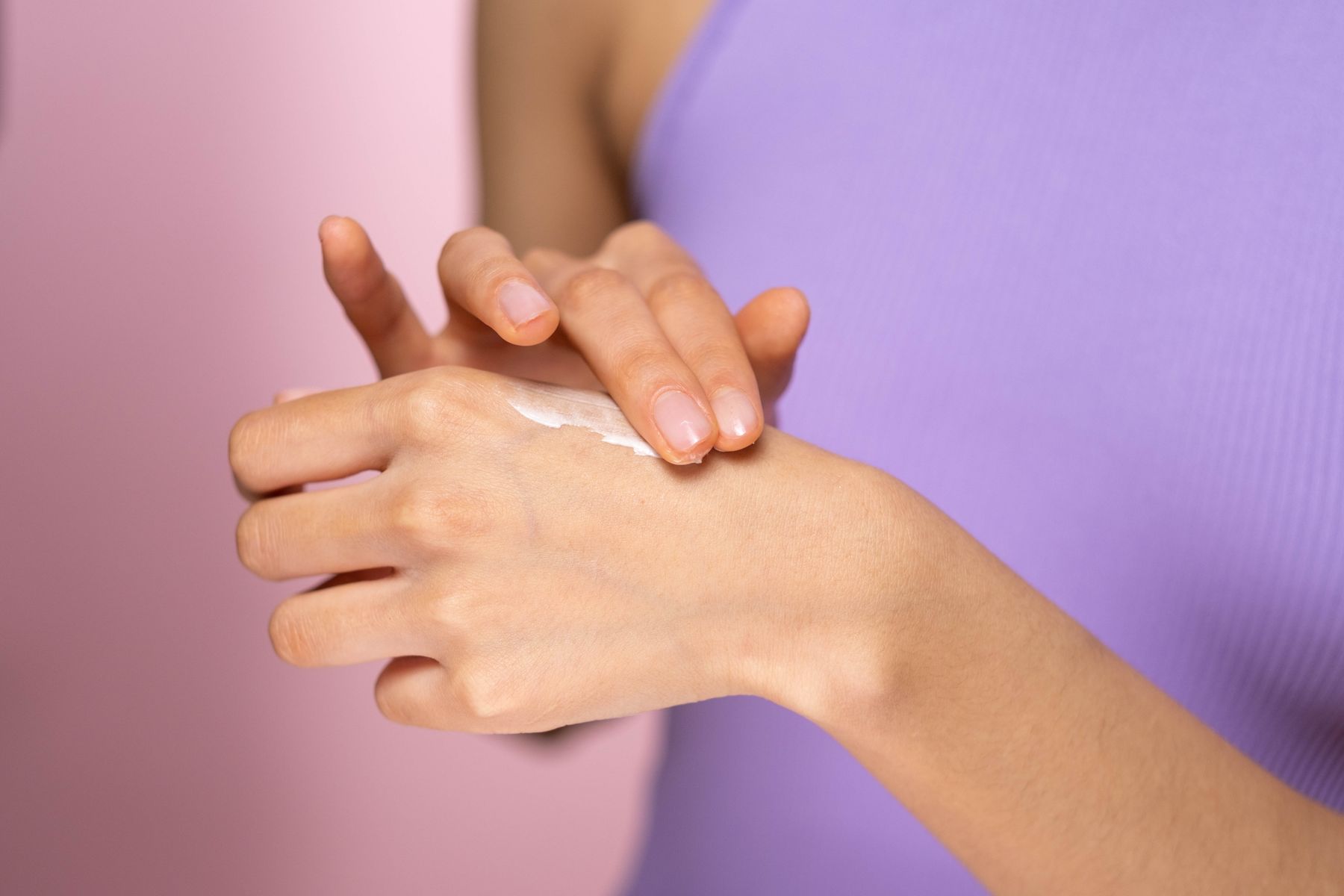
Match the care step to the next activity
After washing, think about what happens next: food preparation, a glove-dependent task, driving, typing or handling an object that needs a secure grip. Use the moisturizer as directed and allow the appropriate transition before beginning. If the hands feel too slippery for a task, do not proceed with unsafe handling simply because the care step has been completed.
For occupational requirements, ask the responsible professional about compatibility with gloves and hand-hygiene products. Keep your exact product name available. This avoids a conversation about hand cream in general when the question concerns one formula in one work process. Do not change a workplace sanitizer, glove system or required washing schedule on your own. The practical result is an agreed routine, not a private workaround that another person sharing the task cannot understand.
Prepare a small away-from-home kit
A useful kit contains an identifiable care product in suitable packaging and whatever ordinary items your situation requires. Preserve the directions instead of transferring cream into a container that could be mistaken for sanitizer. Check that the bag and cap prevent an accidental leak, then keep the product where it can be reached after the hygiene step rather than buried beneath unrelated items.
When soap and water are unavailable, CDC advises sanitizer containing at least sixty percent alcohol for appropriate situations. Read the actual label. AAD places cream or ointment after the sanitizer has dried. Do not mix cream into the sanitizer bottle, dilute either product or treat a moisturizer as a sanitizer replacement. The two products have distinct tasks. Travel preparation is about making the appropriate sequence available, not using a new combination because it fits a smaller pouch.
Use a simple household arrangement
Choose a ready location at the sink where most washing occurs and, if useful, a second location for another frequently used room. Keep products stored as directed and away from inappropriate access. Retain the same clear identity across locations so an adult does not assume two similar tubes contain the same formula. A refill reminder can be as basic as noticing when the spare becomes the active tube.
Make the arrangement understandable to everyone using it. Say which towel position means ready, where used materials go and which product is the hand-care item. You do not need to turn a shared bathroom into a labeled display. Resolve only the distinctions that prevent a real mistake or repeated omission. If another person prefers a different suitable product, preserve that choice rather than treating matching packaging as a household health requirement.
Bring persistent problems to an appropriate care conversation
If ordinary measures do not resolve persistent dryness or cracking, AAD advises seeking dermatology help. Record the useful details: the product names, where the hands contact water or other substances, when discomfort appears and how the problem affects daily tasks. This can be a short account rather than a long spreadsheet. Bring labels or clear photographs of them when practical.
Do not diagnose every red or rough area as the same condition or add an unfamiliar medicated cream based on an online caption. A moisturizer cannot establish why a rash developed. You also do not need to finish a tracking project before asking for help. A good endpoint is an accurate description and a specific question, such as whether the current care product and work procedure are compatible. The routine should support ordinary living while making assessment easier when it is needed.
Worked two-location arrangement
Lena washes her hands mainly in the kitchen and at work, while her only cream is beside the bed. She identifies two different problems: access at home and product compatibility at work. At home she makes an appropriate familiar tube accessible after washing and keeps clean drying materials distinct from used ones. At work she asks the responsible professional about an approved care product instead of replacing the sanitizer or altering a required procedure. She records continued cracking for a clinician with the product names. This fictional example describes practical decisions; it does not report a clinical trial, promise improvement or establish the cause of Lena’s symptoms.
Questions
Should I replace soap with sanitizer whenever my hands feel dry?
Do not choose a hygiene method solely for cosmetic comfort. Follow the appropriate guidance for the task and ask about compatible care. Moisturizer and sanitizer do different jobs.
Must every person in a household use the same cream?
No. Keep suitable individual products identifiable and follow their directions. A shared storage arrangement should prevent confusion, not force everyone into one formula.
Can a photograph show that a hand cream repaired dry skin?
No. The selected photographs show handwashing and cream application. They do not document a diagnosis, treatment response, before-and-after result or the actual product’s composition.
Sources and photography
Photographs are credited beside each image. Their recorded capture dates describe the images; check the current visitor or product information linked above when planning.